
[MetaDescription]Authenticity in leadership can backfire when applied without situational awareness, potentially weakening credibility, authority, and team trust despite good intentions.
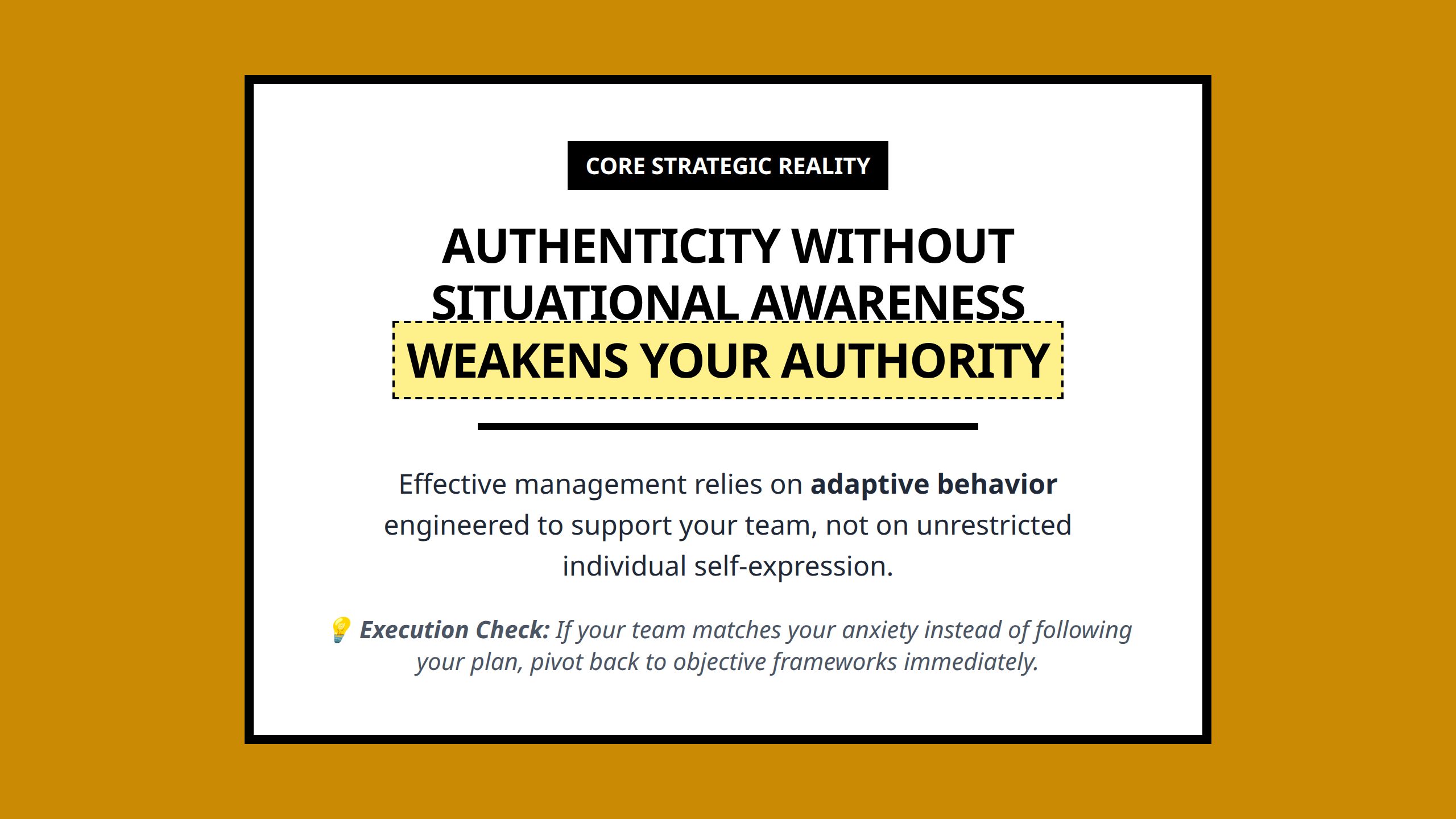
Leadership authenticity is often praised, but applying it without context can erode credibility and trust. Effective leadership balances self-expression with situational awareness and adaptive behavior to maintain authority and team cohesion.
Modern workplaces increasingly value leaders who are authentic, approachable, and transparent. I’ve noticed that many managers assume authenticity alone will build trust and influence. The problem is, unfiltered authenticity can sometimes create confusion, weaken authority, or make teams feel unsupported.
What really matters is not being “true to yourself” in every moment, but calibrating authenticity to the context, audience, and organizational goals.
The allure of unfiltered authenticity
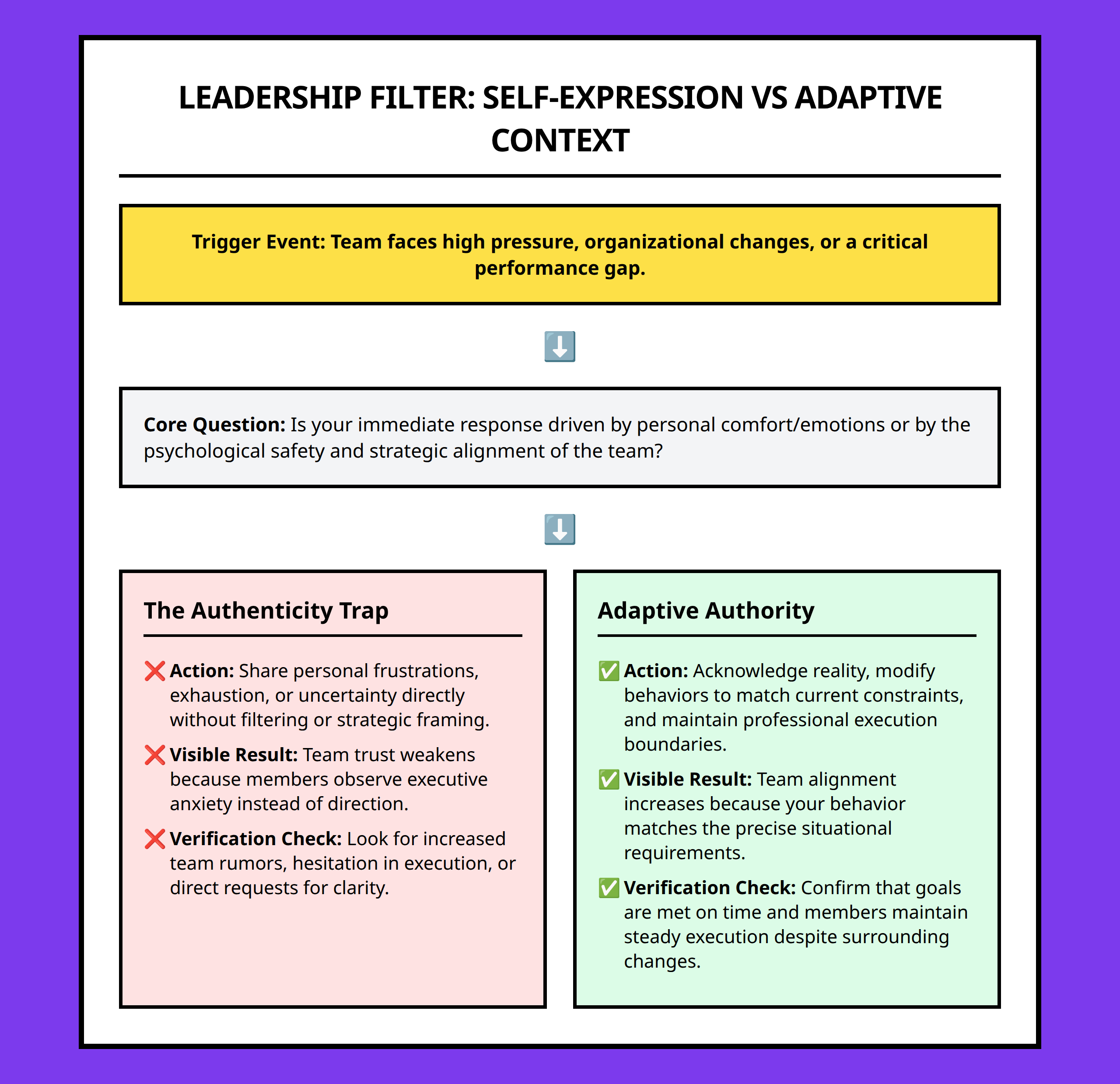
Authenticity has become a cultural ideal. Leaders are encouraged to reveal emotions, share vulnerabilities, and express opinions openly. While this can enhance relatability, it also carries hidden risks.
I see leaders unintentionally overexposing themselves emotionally, or reacting to challenges without considering team perception. Employees may perceive inconsistency, instability, or bias, undermining the leader’s authority.
Situations that seem like opportunities to “be real” can unintentionally communicate uncertainty or favoritism, causing employees to second-guess decisions or feel anxious about expectations【message_idx†source】.
Why authenticity alone does not guarantee effectiveness
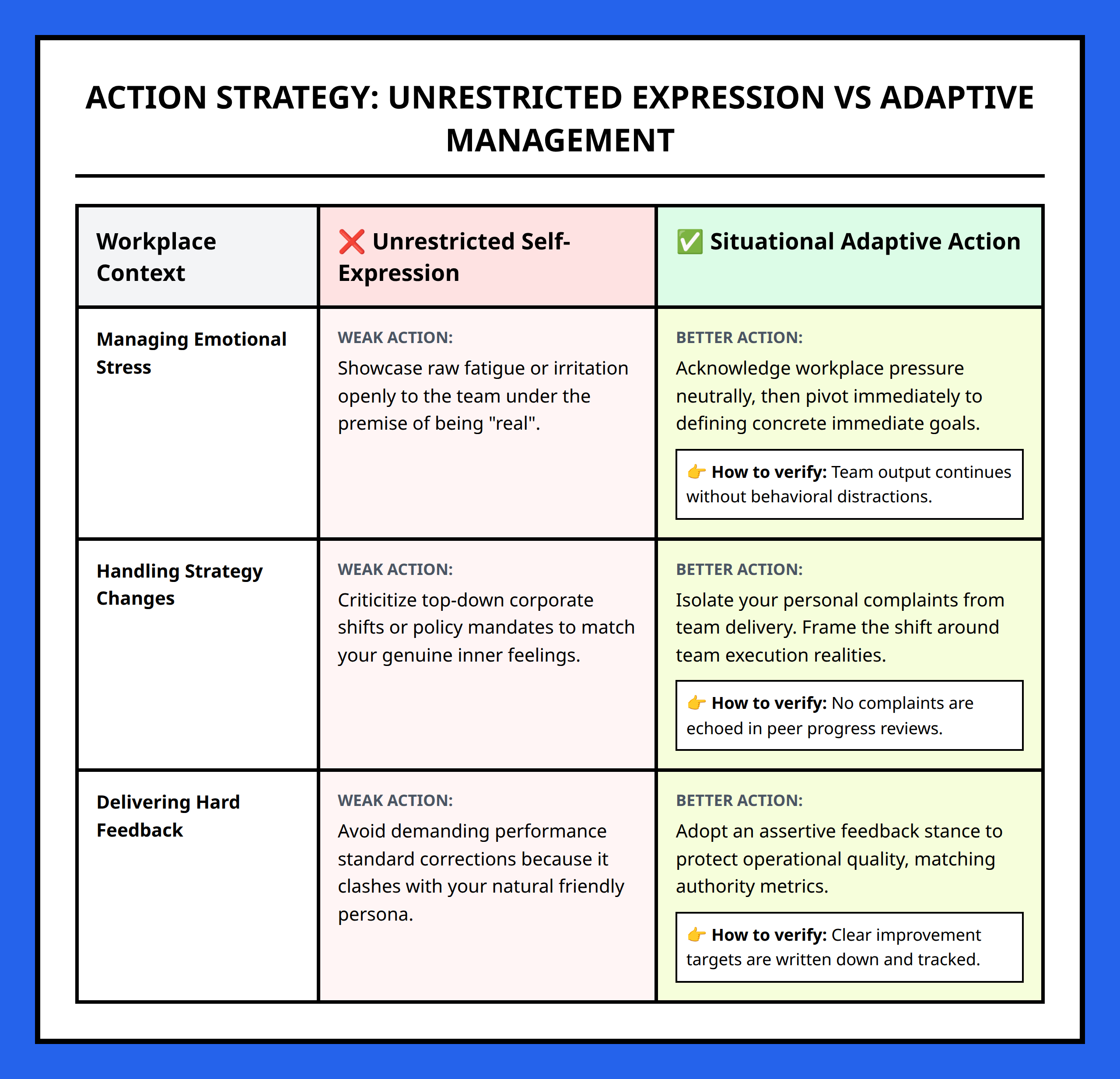
Research shows that authentic behavior is not automatically equivalent to effective leadership. The same traits that make a leader relatable—emotional openness, candidness, or self-disclosure—can reduce credibility when misapplied.
I would be cautious about leaders who assume transparency equals influence. Without situational awareness, authenticity can amplify mistakes, escalate conflicts, or create confusion about priorities.
For example, a leader openly admitting indecision on strategic issues may intend to build trust, but employees might interpret it as a lack of competence, ultimately reducing confidence in leadership【message_idx†source】.
The importance of adaptive authenticity
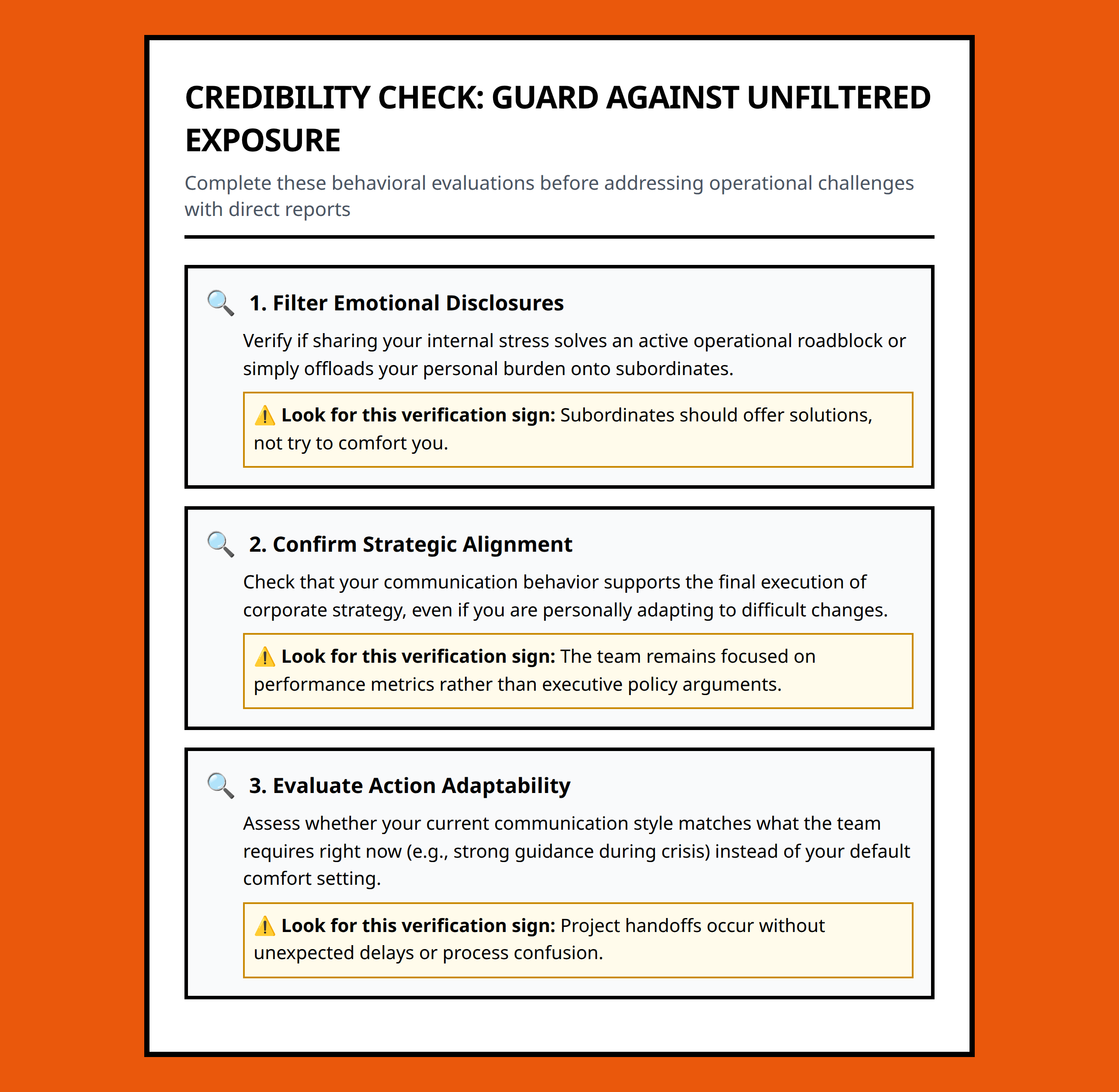
Effective leadership requires balancing personal authenticity with the context. This involves adjusting self-expression to suit the situation, audience, and goals while remaining genuine.
I think the key is not suppressing personality, but managing how and when aspects of yourself are revealed. Adaptive authenticity maintains credibility, signals competence, and preserves psychological safety for the team.
Leaders who master this balance create trust without compromising authority. They communicate openly but strategically, showing vulnerability selectively, aligning self-expression with team needs, and demonstrating judgment under pressure【message_idx†source】.
Practical implications for managers
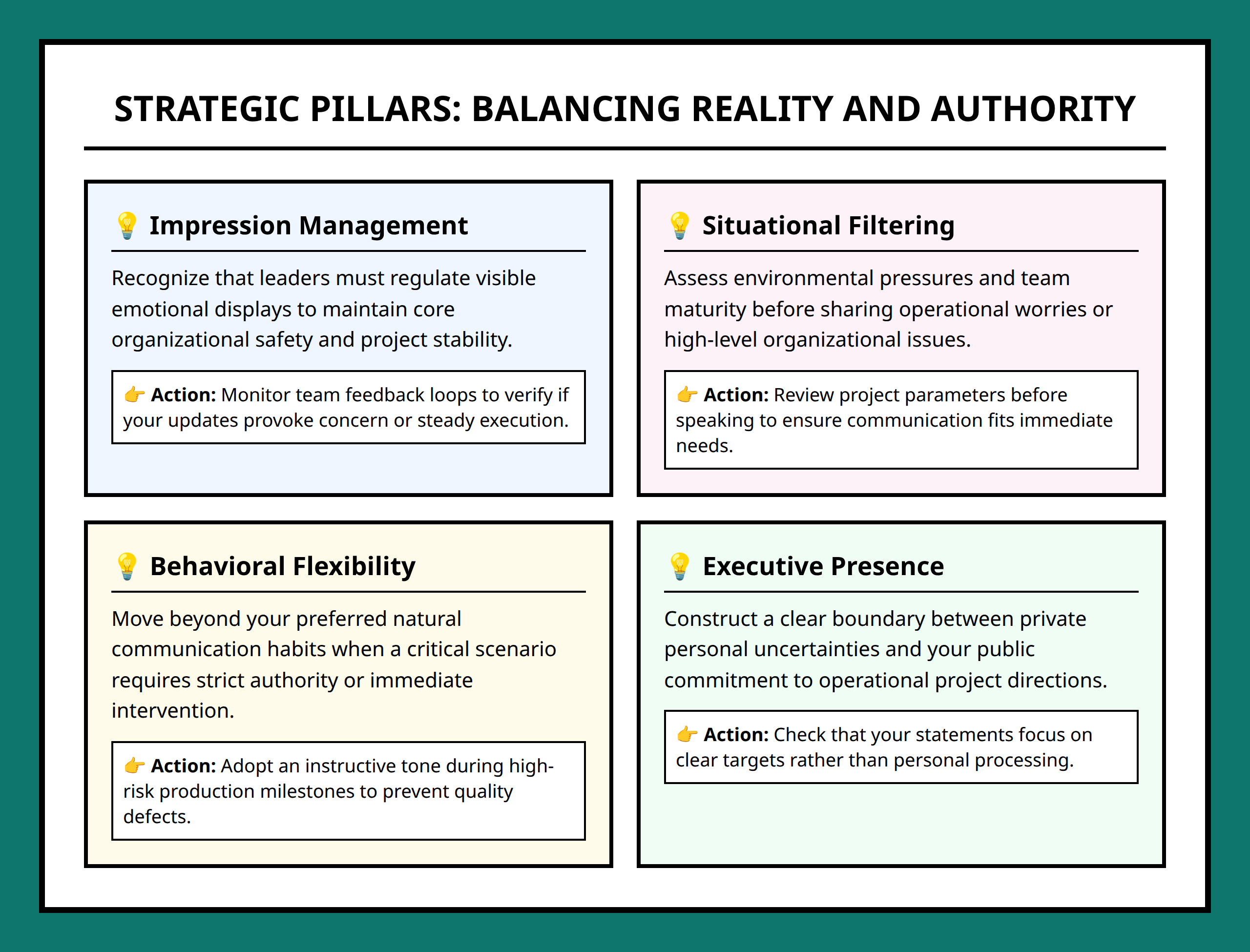
Situationally aware authenticity affects decisions, communication, and team morale. Leaders should:
- Assess the emotional and cognitive state of the team before revealing personal opinions or vulnerabilities.
- Align self-expression with organizational goals and team expectations.
- Monitor the impact of candidness on credibility and trust.
- Practice selective disclosure to maintain authority while remaining approachable.
Without these precautions, authenticity can inadvertently erode the very trust and influence it seeks to foster.
Rethinking authenticity in leadership
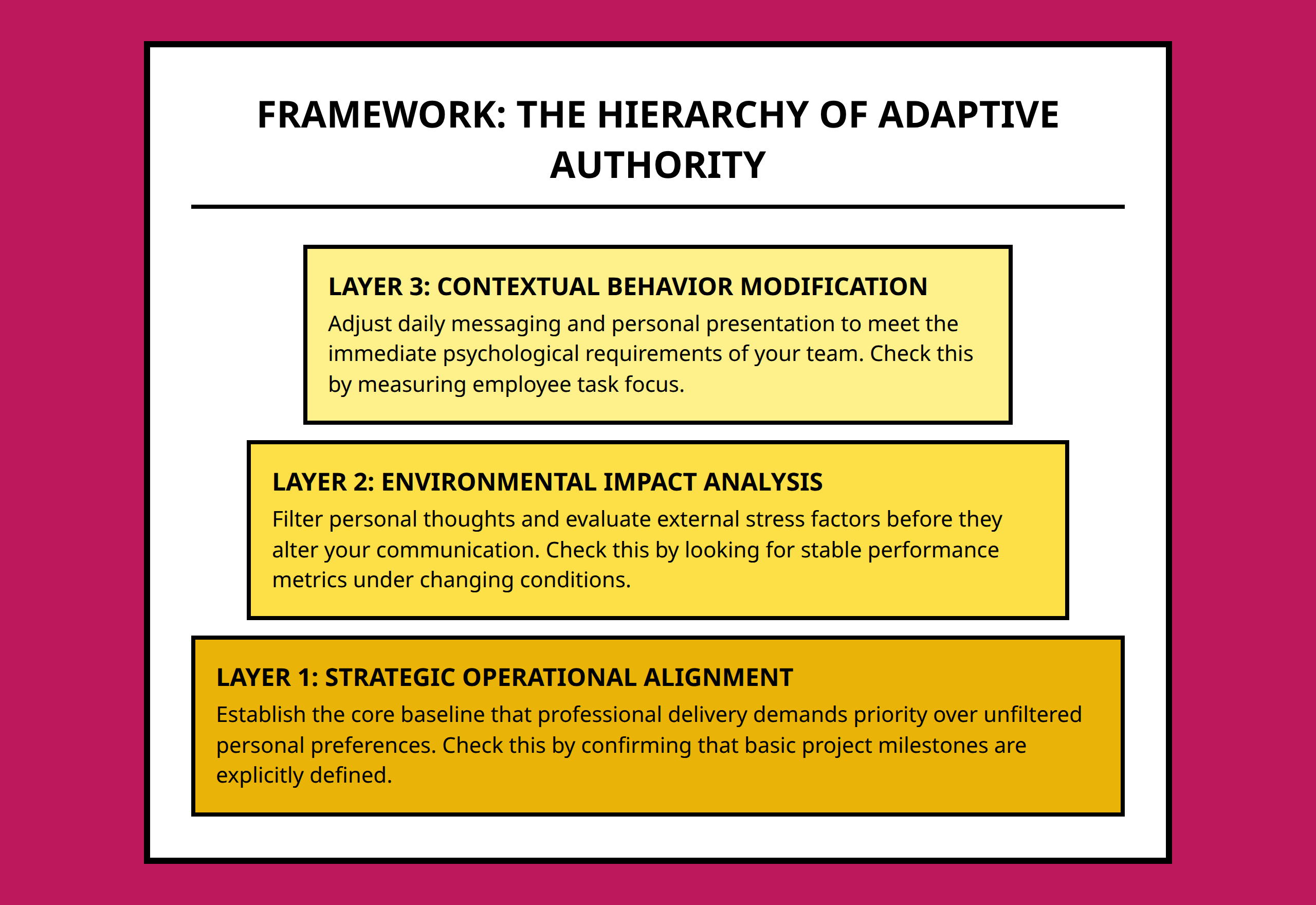
Authentic leadership is valuable, but it is not a universal solution. I’ve observed that leaders who treat authenticity as unconditional self-expression risk undermining both authority and team cohesion.
True effectiveness comes from a measured, context-sensitive approach. Leaders must integrate self-awareness, situational judgment, and adaptive expression, ensuring that authenticity supports, rather than undermines, leadership goals【message_idx†source】.
References:
- https://www.perception-insights.com/authentic-leadership-dilemma/
- https://www.youtube.com/watch?v=YtpAHmBCGWc
- https://www.linkedin.com/pulse/authenticity-trap-why-being-real-ruining-your-nicola-qfoic
- https://hrzone.com/the-authenticity-trap-when-authentic-leadership-goes-too-far/
- https://www.entrepreneur.com/leadership/why-being-authentic-isnt-always-enough-for-modern-leaders/475008
- https://journals.sagepub.com/doi/10.1177/03128962261431855
- https://nobl.io/changemaker/authentic-vs-adaptive-leadership/
- https://www.theexceptionalskills.com/authenticity-trap/
- https://www.michellegibbings.com/the-authenticity-paradox-why-being-too-yourself-can-hold-you-back/
- https://www.linkedin.com/posts/toddrbolin_three-ways-to-stop-shoulding-yourself-and-activity-7303392653763612672-AESA
- https://www.linkedin.com/posts/edmund-white-08362ab_leadership-authenticleadership-managementtips-activity-7387116615173042176-yQ1J
- https://www.linkedin.com/pulse/paradox-authentic-leadership-from-platos-corporate-7w9fe
- https://pmc.ncbi.nlm.nih.gov/articles/PMC8139621/