
[MetaDescription]Purpose-driven teams often outperform highly controlled organizations because shared purpose improves collaboration, innovation, motivation, and decision-making across the entire system.Why Teams With Shared Purpose Often Beat Tightly Controlled Organizations
Highly controlled organizations can look efficient on the surface, but teams usually perform better when people understand and connect to a shared purpose. Purpose improves coordination, motivation, creativity, and collaboration in ways rigid control systems often cannot sustain.
I used to assume organizational problems mostly came from weak execution or poor planning. But the more I look at how teams actually operate, the more I notice another pattern: many organizations fail because people are technically working together while psychologically pulling in different directions.
That disconnect becomes expensive.
Departments protect their own goals. Teams optimize for local success instead of collective outcomes. Employees complete tasks without understanding why the work matters beyond the immediate assignment.
On paper, the organization looks functional. In reality, the system slowly fragments.
Organizations become dangerous when teams lose sight of the larger purpose
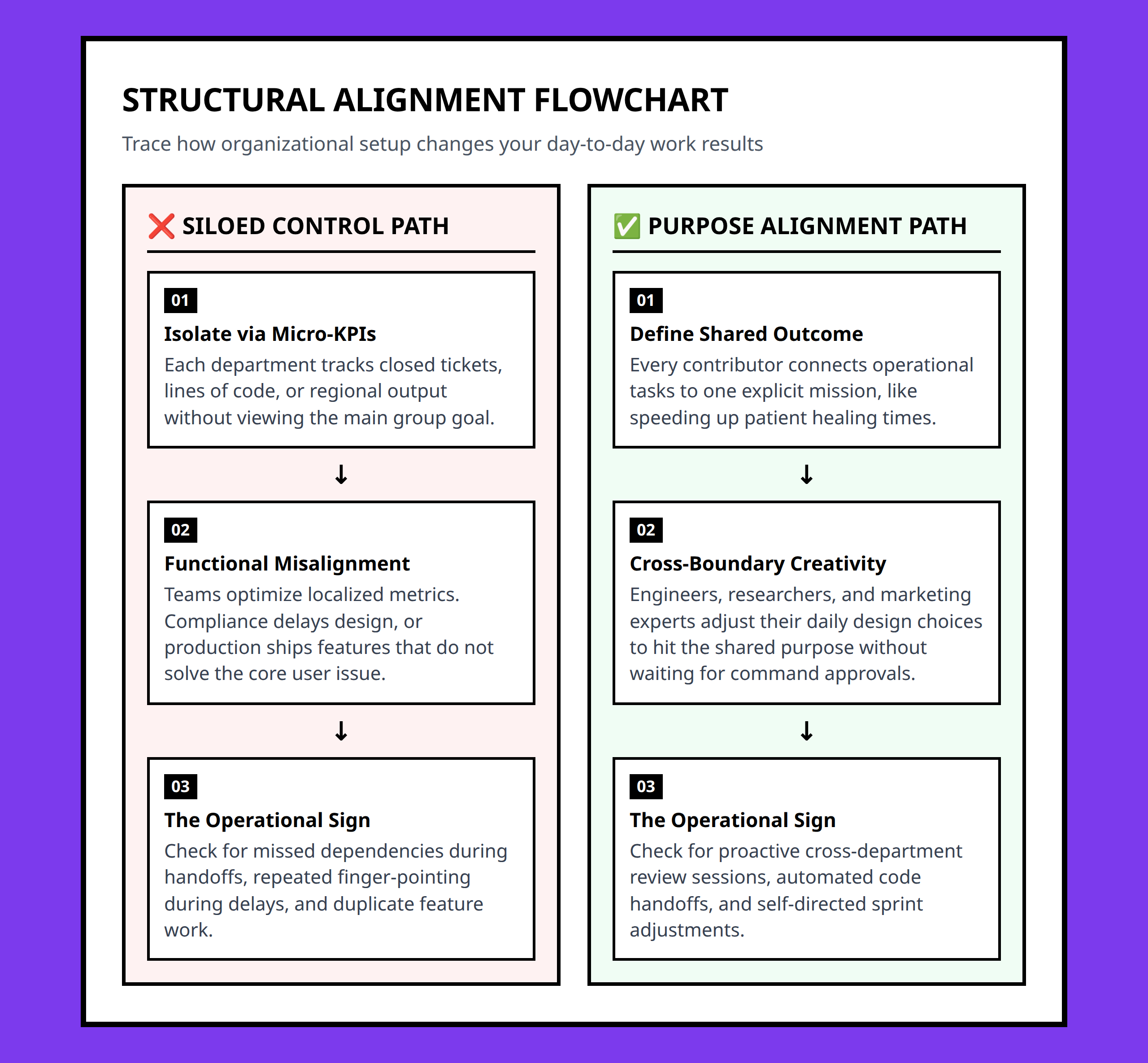
One of the clearest warning signs inside complex organizations is siloed thinking.
People become highly focused on their own department, targets, timelines, or incentives while losing awareness of the broader mission connecting the work.
I think this problem appears most clearly in environments where control systems dominate communication.
When organizations rely heavily on hierarchy, rigid reporting structures, and narrow accountability metrics, employees often optimize for personal or departmental survival instead of shared outcomes.
A realistic example appears in many large organizations.
A product team focuses on speed because leadership rewards launch timelines. Compliance teams focus on risk reduction because mistakes carry punishment. Sales teams push aggressive promises because compensation depends on targets.
Each group may perform its own function correctly.
But without a deeply shared purpose guiding decisions, the organization starts creating internal conflict instead of coordinated progress.
That is where highly controlled systems often become surprisingly inefficient despite appearing organized.
Purpose acts like a coordination system inside teams
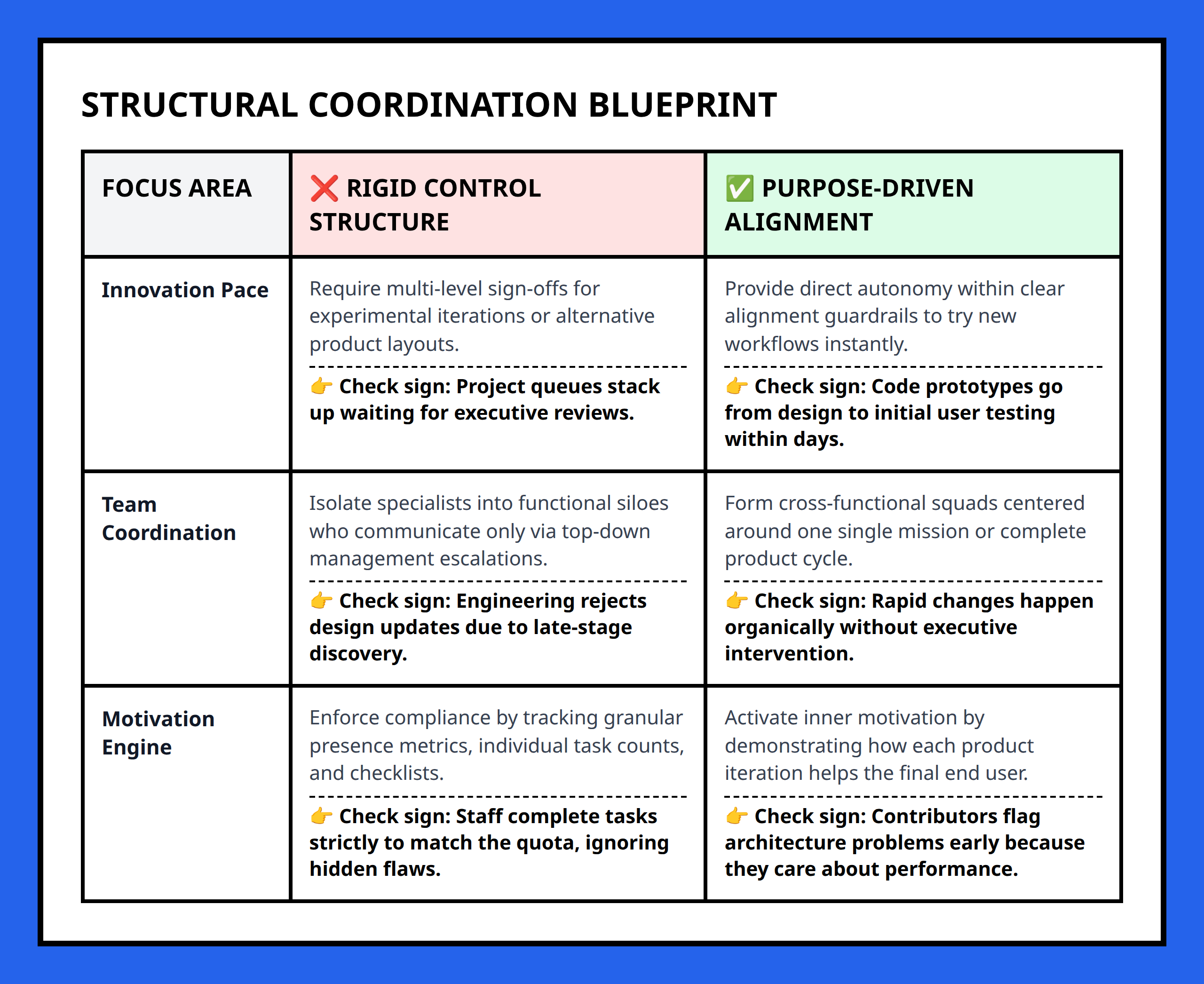
I think many leaders misunderstand purpose because they treat it as branding language instead of operational infrastructure.
Purpose is not only motivational messaging.
At its best, purpose helps people make aligned decisions even when direct supervision is absent.
That distinction matters.
Control-based systems depend heavily on oversight. Purpose-driven systems create internal alignment that reduces the need for constant monitoring.
When employees understand:
- what the organization is trying to achieve
- why the work matters
- how their role contributes
- what tradeoffs matter most
they often collaborate more naturally across functions.
I would pay close attention anytime teams become obsessed with protecting territory instead of solving shared problems. That usually signals missing organizational purpose underneath the surface.
Highly controlled systems often suppress initiative
Control structures can improve consistency in the short term. But over time, excessive control often weakens ownership and initiative.
Employees start focusing more on avoiding mistakes than improving outcomes.
I think this is one reason some organizations struggle to innovate even when they hire highly capable people. The system itself quietly discourages independent thinking.
Imagine a workplace where every important decision requires multiple approvals, where employees are punished heavily for failed experiments, and where managers constantly monitor small behaviors.
People adapt to that environment quickly.
But they adapt by becoming careful.
Creativity narrows because the safest strategy becomes following process exactly rather than exploring better solutions.
Purpose-driven environments tend to create a different psychological response. Employees become more willing to solve problems proactively because they understand the larger objective behind the work.
Shared purpose improves collaboration across organizational boundaries
One of the strongest effects of purpose is that it reduces fragmentation between teams.
Without shared purpose, departments often interpret success narrowly through their own incentives.
With shared purpose, people are more likely to ask:
“What actually helps the organization succeed overall?”
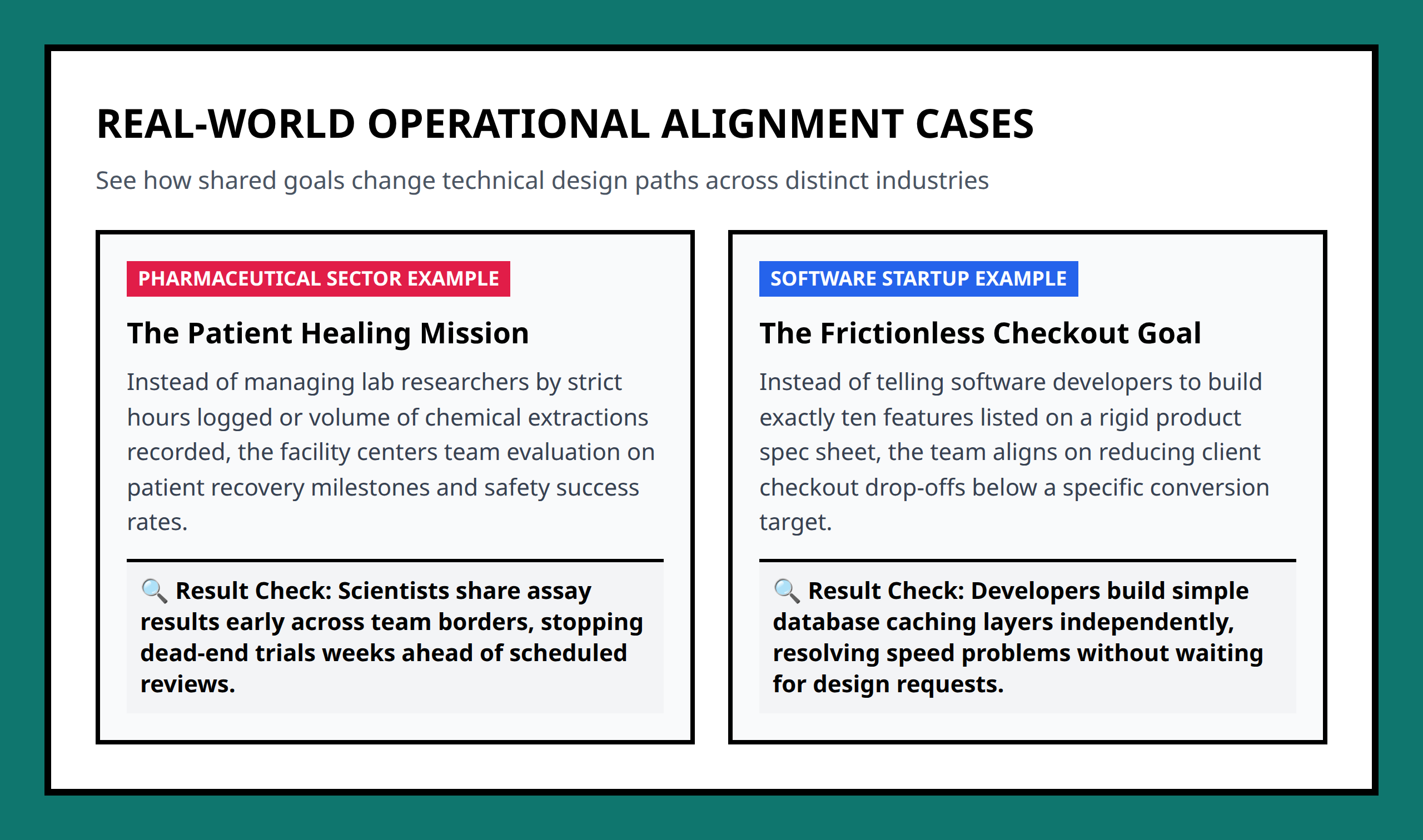
I think this distinction becomes critical in industries where collaboration determines quality and safety.
For example, product development, healthcare, pharmaceuticals, and technology companies often depend on multiple specialized teams coordinating effectively under uncertainty.
When purpose disappears, departments may still perform their individual tasks competently while collectively producing weak outcomes.
A research team may optimize for scientific precision while manufacturing prioritizes efficiency and executives prioritize quarterly targets. None of these goals are inherently wrong.
The danger appears when no shared purpose exists strong enough to align competing priorities.
At that point, organizations start operating like disconnected systems forced together administratively.
Purpose changes how people experience effort
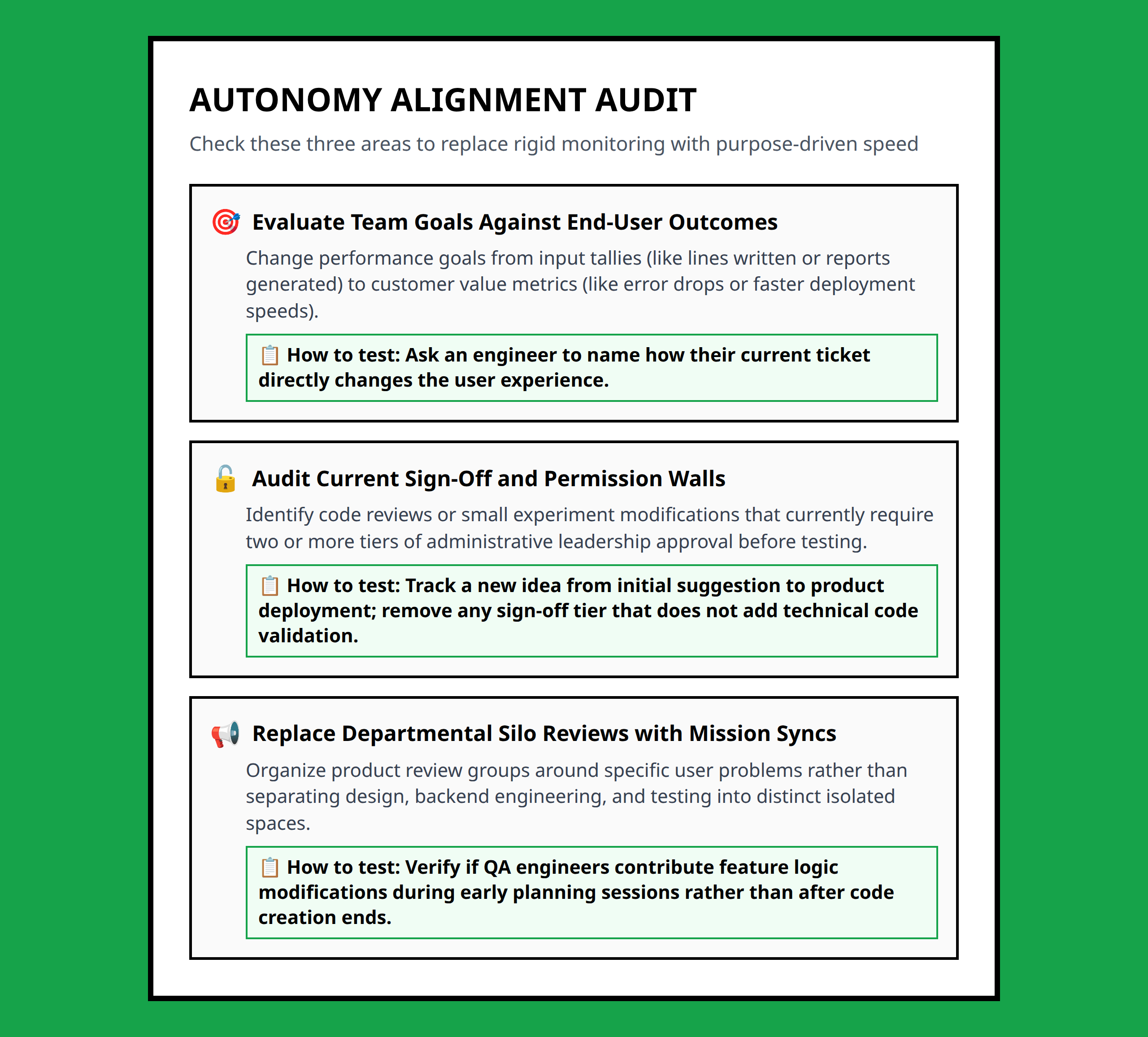
I think one of the most underestimated aspects of purpose is how strongly it affects emotional engagement.
People tolerate difficulty differently when the work feels meaningful.
That does not mean purpose eliminates stress or conflict. But meaningful work often feels psychologically different from purely controlled work.
Employees are usually more resilient when they believe their effort contributes to something valuable beyond immediate compliance.
This is why purpose-driven teams often display higher persistence during uncertainty or setbacks.
People are not only protecting their position inside the hierarchy. They are invested in the mission itself.
I would be careful, though, not to confuse this with motivational slogans. Employees recognize very quickly when organizations talk about purpose while operationally rewarding only short-term output.
Purpose must shape decisions consistently to feel believable.
Purpose influences motivation at a biological level
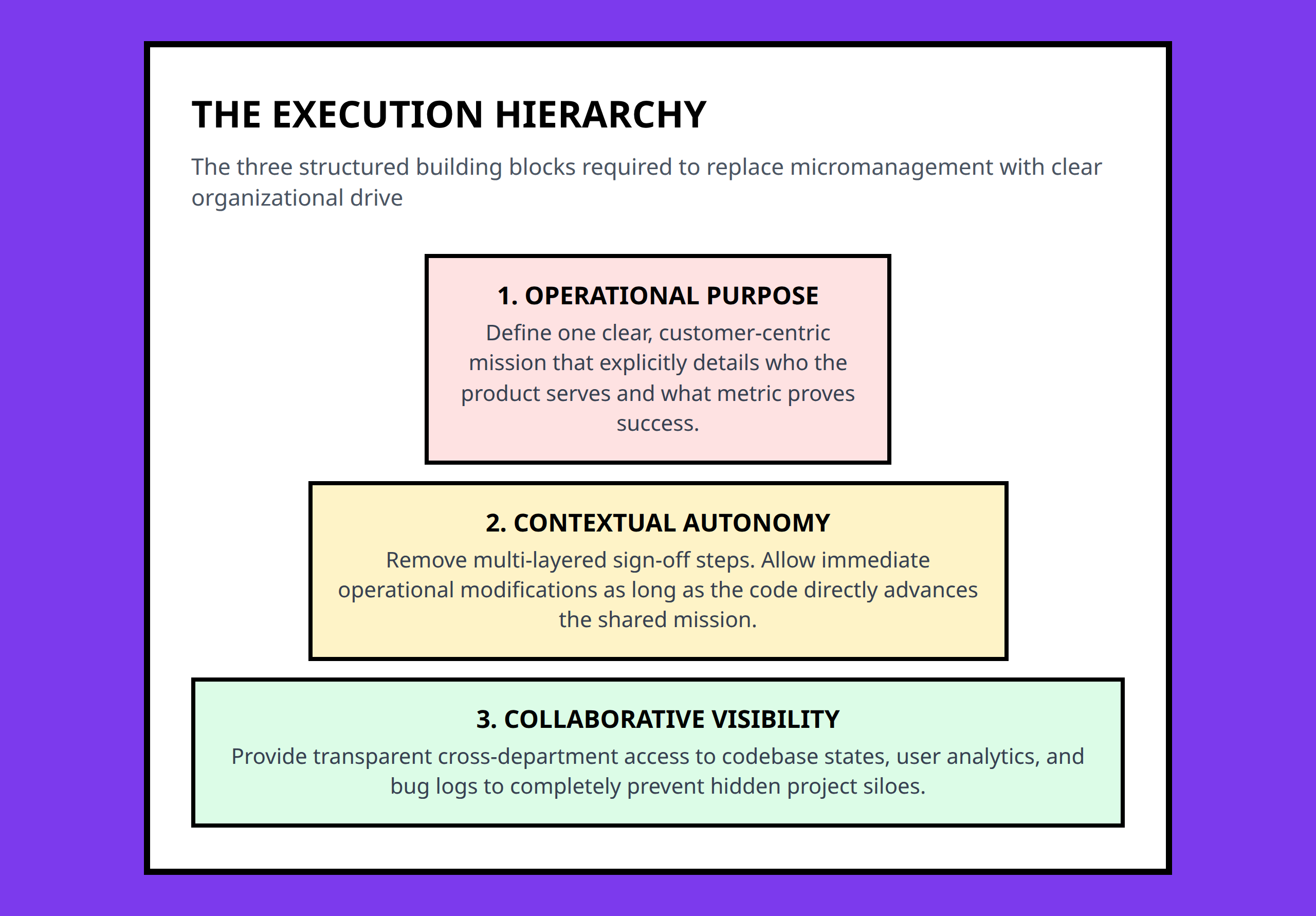
Another important idea is that purpose affects more than attitude alone.
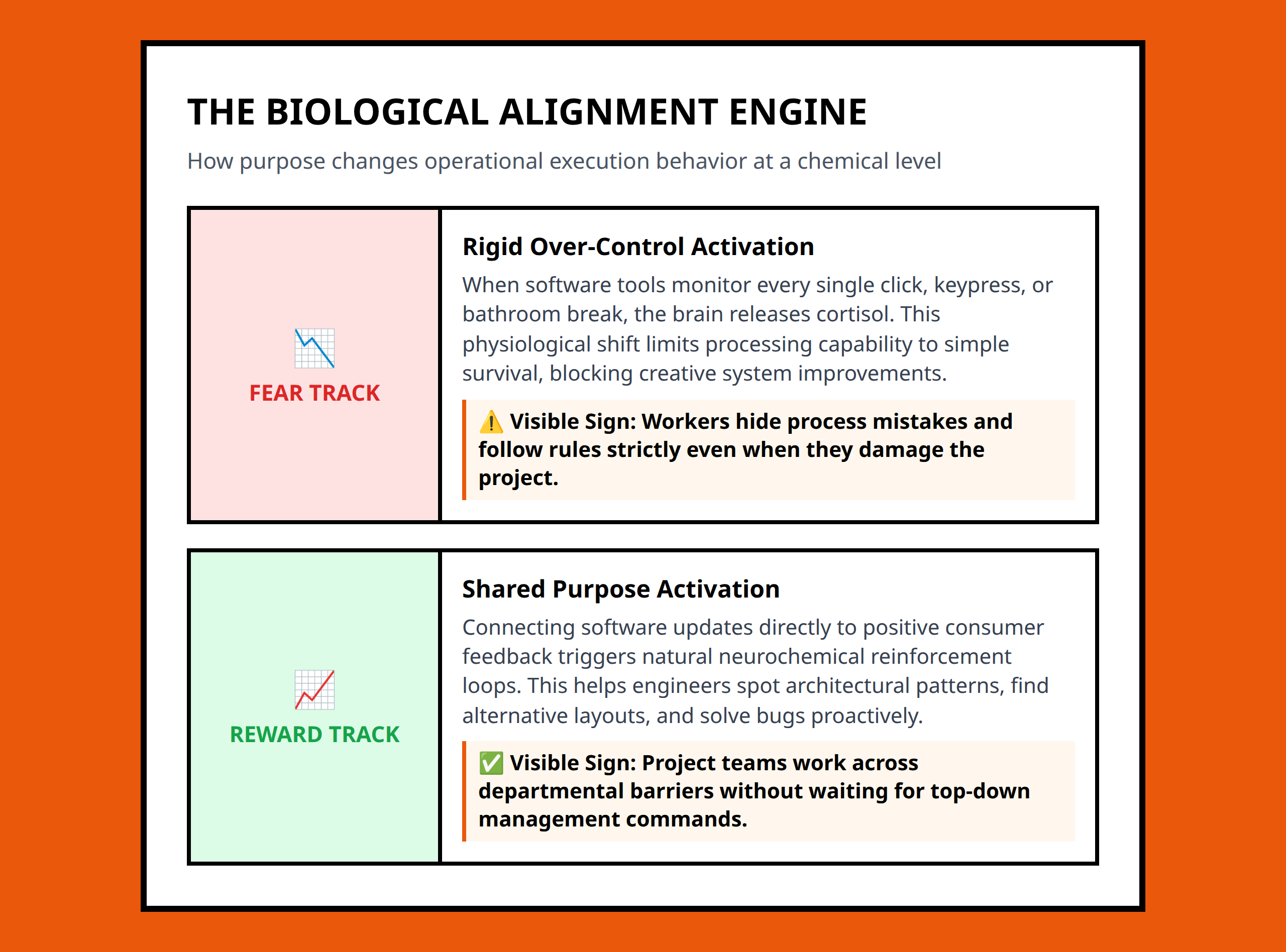
The brain responds differently when people experience meaning, autonomy, progress, and contribution.
I think this helps explain why highly controlled environments often become emotionally exhausting over time.
When work becomes purely transactional and tightly monitored, motivation tends to narrow toward external pressure: avoiding mistakes, protecting status, or meeting metrics.
Purpose-driven environments activate a broader motivational system connected to engagement, ownership, curiosity, and social contribution.
That difference affects:
- collaboration
- problem-solving
- creative thinking
- emotional resilience
- long-term commitment
In practice, people usually contribute more energy when they feel psychologically connected to the outcome instead of merely controlled by the process.
The strongest organizations combine structure with shared purpose
I do not think organizations should abandon structure or accountability. Strong systems still matter.
But highly controlled organizations often overestimate how much human performance can be sustained through pressure alone.
The strongest teams usually combine:
- clear direction
- strong coordination
- shared purpose
- trust
- autonomy within boundaries
- alignment across functions
That combination creates something rigid systems struggle to produce consistently: people voluntarily contributing intelligence, creativity, and collaboration because they believe the mission itself deserves their effort.
Organizations become fragile when employees work only to satisfy control systems. They become far more adaptive when people understand the larger purpose strongly enough to coordinate intelligently even when direct supervision is limited.
References:
- https://www.forbes.com/sites/brentgleeson/2024/09/18/4-reasons-purpose-driven-companies-outperform-the-competition/
- https://kashyapsandeep.medium.com/7-reasons-purpose-driven-leaders-build-stronger-businesses-today-25ff6745793c
- https://www.talkspirit.com/blog/do-purpose-driven-companies-outperform-traditional-ones
- https://www.linkedin.com/posts/jasonaosborn_why-purpose-driven-leaders-outperform-strategy-only-activity-7385268420943966208-XboA
- https://www.linkedin.com/posts/kathleencurtiswolf_𝐑𝐞𝐬𝐞𝐚𝐫𝐜𝐡-𝐡𝐚𝐬-𝐩𝐫𝐨𝐯𝐞𝐧-𝐭𝐡-activity-7300571574481338369-d7id
- https://www.linkedin.com/posts/karenmpierce_the-power-of-purpose-driven-work-when-teams-activity-7277397691360321536-oyCA
- https://managersandleaders.com.au/the-rise-of-purpose-driven-organisations/
- https://www.gestaldt.com/insights/why-purpose-driven-organisations-outperform-their-peers
- https://www.oxfordleadership.com/how-purpose-drives-performance-in-organisations/
- https://mca-group.com.au/change/purpose-driven-organisations-high-performing-engagement/
- https://www.ccl.org/articles/leading-effectively-articles/purpose-in-leadership-why-how/
- https://thewestpeak.com/purpose-driven-work-transform-your-teams-success/
- https://www.forbes.com/sites/juliekratz/2025/03/05/why-purpose-driven-businesses-win-long-term/
- https://www.performyard.com/articles/what-are-the-3-ps-of-performance-management
- https://trustedcoachdirectory.com/purpose-driven-leadership-aligning-teams-for-success/