
[MetaDescription]Leadership is increasingly being understood through neuroscience, showing how trust, motivation, stress, and emotional responses can be interpreted biologically rather than purely socially or psychologically.
Traditional leadership theories focused on social structures and psychological traits, but advances in neuroscience reveal that leadership behaviors can be understood biologically, showing measurable effects on stress, trust, motivation, and emotional response.
Leadership has always been treated as a social art—charisma, communication, and behavioral styles dominated discussions. I often find that leaders still default to these models, thinking people’s responses are purely social or psychological. Yet biology plays an essential role in how teams respond, trust, and engage.
Recent insights suggest that the brain itself governs reactions to leadership behaviors in predictable ways, offering a framework to understand influence beyond sociology or abstract psychology.
Why traditional leadership models left gaps
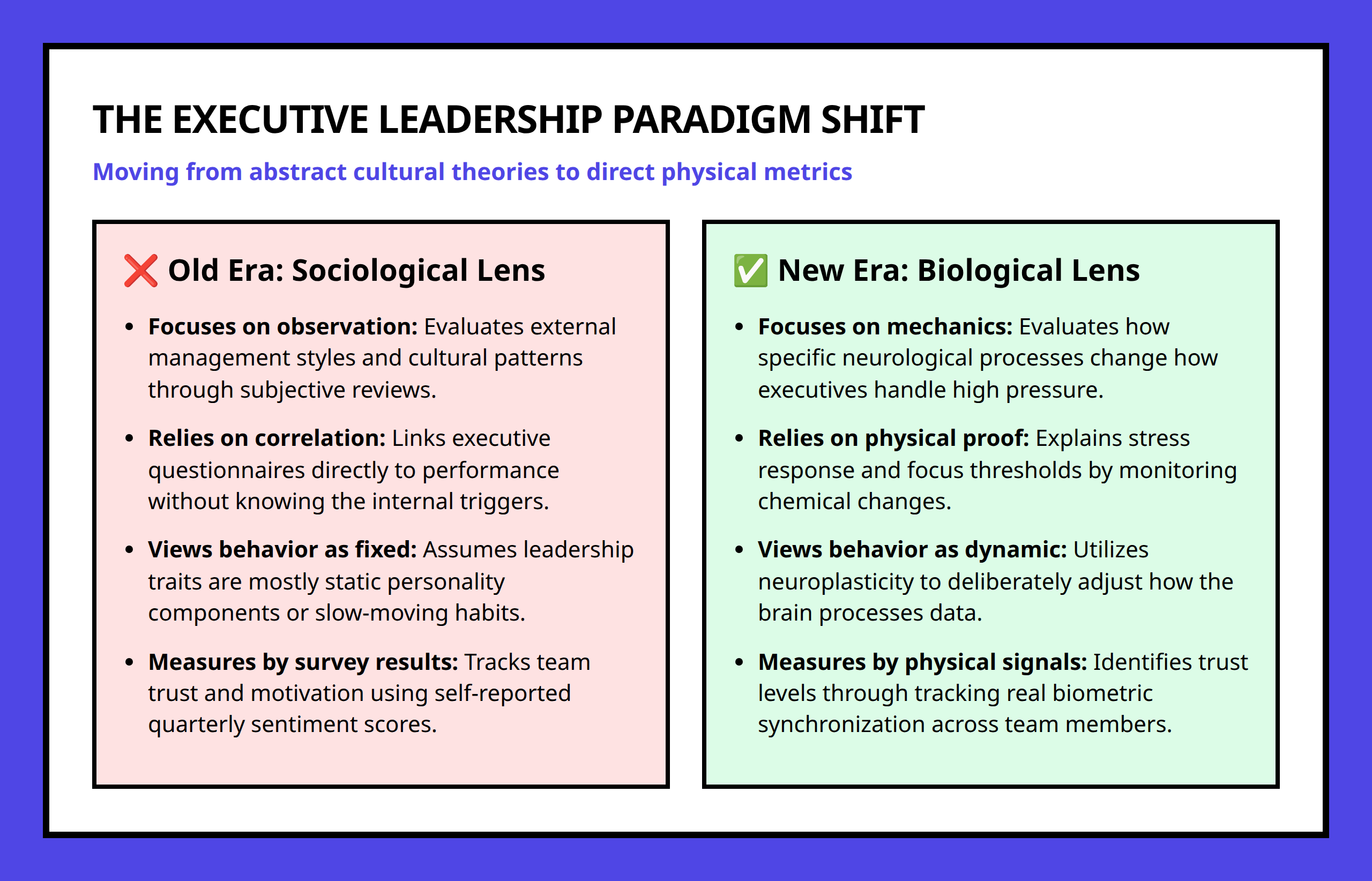
Many conventional models explained leadership in terms of roles, personalities, and social expectations. While useful, they often overlooked the underlying biological mechanisms influencing decision-making, stress responses, and emotional engagement.
I notice that in organizations using purely behavioral assessments, leaders might misinterpret compliance or engagement. Employees appear to follow directions but internally react according to biological signals—stress, reward anticipation, and social threat recognition—rather than conscious reasoning.
Neuroscience provides measurable insights into leadership
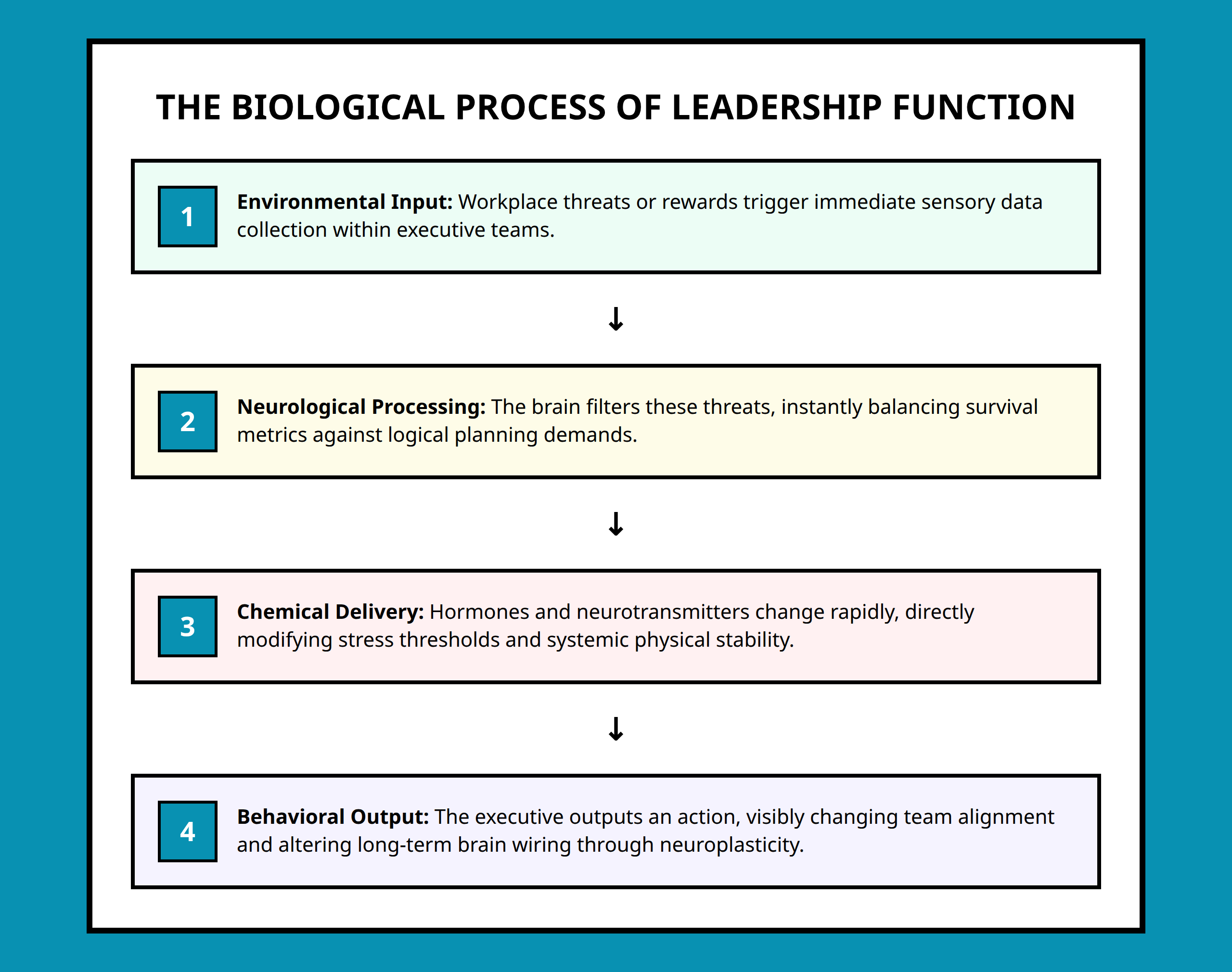
Discoveries in neuroplasticity, emotional measurement, and brain function allow us to see how leadership impacts physiological responses. Leaders’ behavior can activate stress circuits, influence motivation pathways, and shape trust in measurable ways.
For example, an environment perceived as unpredictable or threatening triggers biological stress responses in teams, reducing creativity and collaboration. Conversely, consistent, supportive leadership can enhance engagement by activating reward and safety circuits in the brain【message_idx†source】.
Leadership behavior affects biological systems
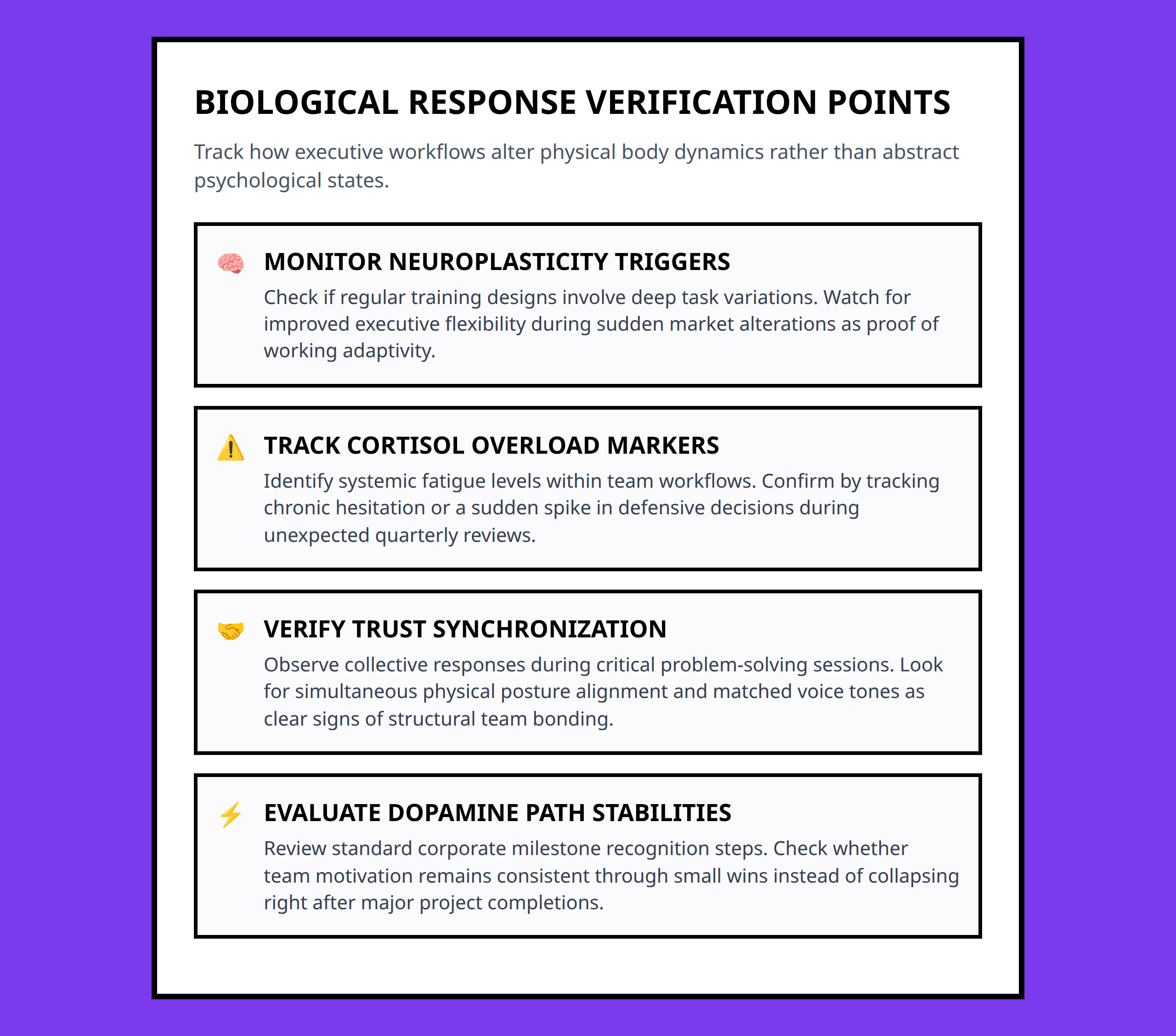
Once we interpret leadership biologically, we see that behaviors—communication style, feedback frequency, and decision-making patterns—directly influence team physiology. Trust, psychological safety, and motivation are not just concepts; they manifest in hormonal and neurological responses.
I find that this perspective helps explain why some well-intentioned leaders fail. A leader may behave “charismatically” by traditional standards, yet their approach might inadvertently trigger threat responses, undermining team performance despite social or psychological interventions.
Reframing leadership as a measurable biological process
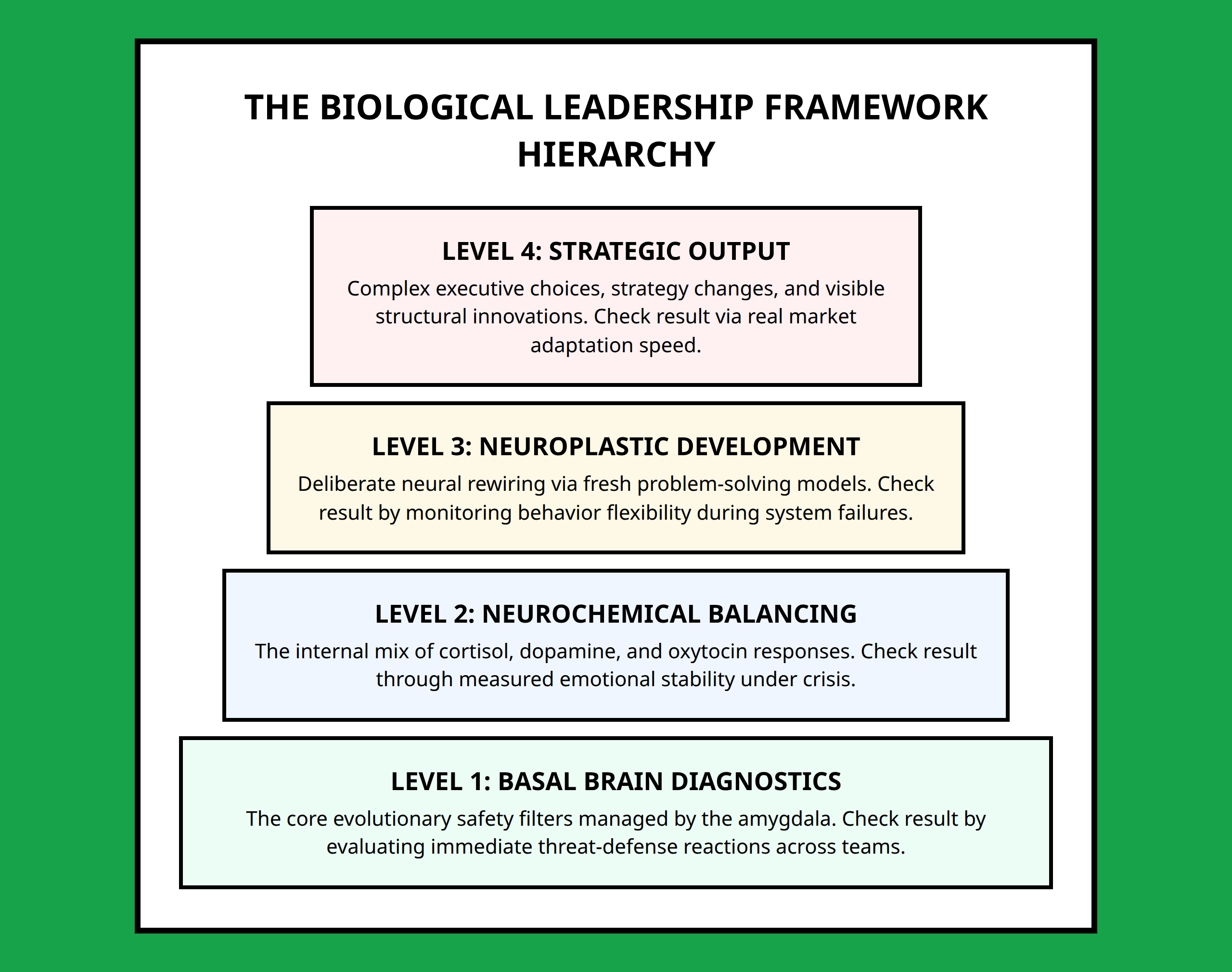
This shift moves leadership theory from abstract sociology to a science-informed discipline. Leaders can now consider how their decisions, tone, and structure produce measurable biological effects that influence performance, creativity, and engagement.
Instead of asking only about style or culture, I think leaders benefit from asking: how does this behavior affect the team’s neurological state? How can trust, clarity, and purpose be reinforced biologically, not just socially?
Understanding these mechanisms also emphasizes why adaptive leadership matters. Leaders must adjust not just to social cues but to the biological realities of stress, reward, and cognitive capacity across their teams.
Implications for modern leadership thinking
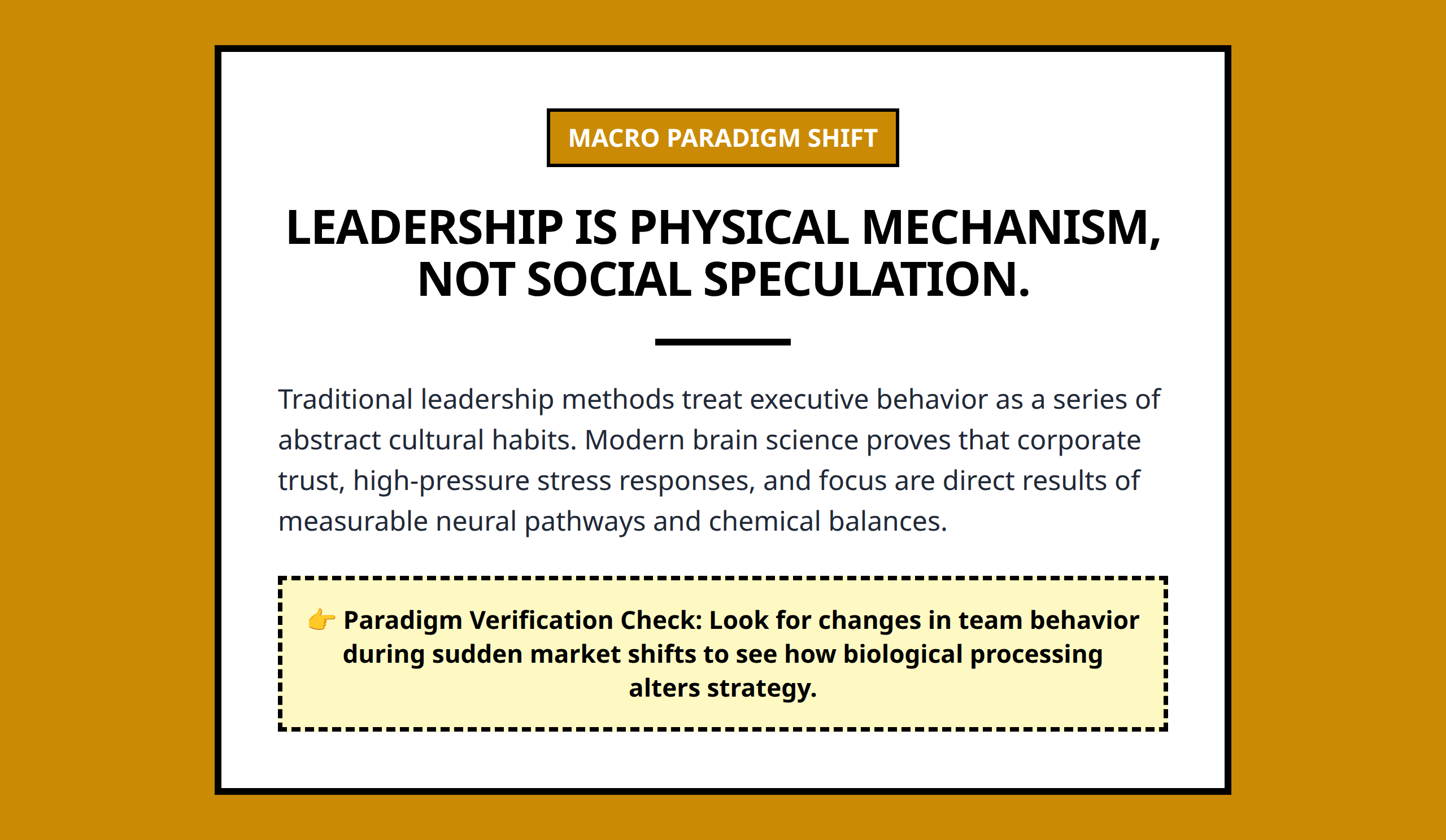
Interpreting leadership biologically doesn’t replace social or psychological insight but complements it. Leaders who integrate neuroscience can better predict reactions, design interventions, and create environments that optimize trust, motivation, and engagement naturally.
I would encourage leadership thinkers and executives to explore these biological insights to complement traditional frameworks, enabling decisions that respect both human biology and organizational goals.
References:
- https://www.forbes.com/sites/julianhayesii/2026/02/16/leadership-only-goes-as-far-as-your-biology-allows-heres-why/
- https://www.sciencedirect.com/science/article/pii/S014829632400540X
- https://www.linkedin.com/pulse/impact-leadership-why-authority-can-change-our-biology-winston-mtqbe
- https://medium.com/@krigerbruce/the-new-sociology-of-science-c61078b729c5
- https://dadyminds.org/2025/07/08/the-role-of-social-science-in-shaping-modern-leadership/
- https://www.forbes.com/sites/julianhayesii/2026/03/22/why-leadership-starts-with-biology-and-shapes-organizational-culture/
- https://trainingmag.com/why-biology-is-the-next-frontier-in-leadership-training/
- https://journals.sagepub.com/doi/10.1177/17427150221090375
- https://hbr.org/2008/09/social-intelligence-and-the-biology-of-leadership
- https://www.researchgate.net/publication/236815917_The_Linking_of_Sociology_and_Biology
- https://www.cutter.com/journal/leadership-science-487301
- https://www.indeed.com/career-advice/career-development/reasons-to-become-leader