
[MetaDescription]Younger employees often reject command-and-control leadership because they value autonomy, flexibility, authenticity, and psychological well-being more than rigid hierarchy and status-driven management.Why Command-and-Control Leadership Pushes Younger Employees Away
Many younger employees do not resist leadership itself. They resist leadership styles built around rigid hierarchy, constant control, and unquestioned authority because modern work expectations now prioritize autonomy, flexibility, purpose, and psychological well-being.
I think many workplace conflicts between older managers and younger employees are misunderstood from the beginning. Leaders often describe the issue as entitlement, lack of discipline, or weak work ethic.
But when I look closely at these tensions, I usually see something else: two very different ideas about what work is supposed to be.
Older leadership models were designed for a workforce that valued stability, obedience, and long-term organizational loyalty. Many younger employees entered a completely different environment — one shaped by digital overload, economic uncertainty, rapid change, and constant connectivity.
That difference changes how authority itself is interpreted.
Command-and-control leadership was built for a different kind of work
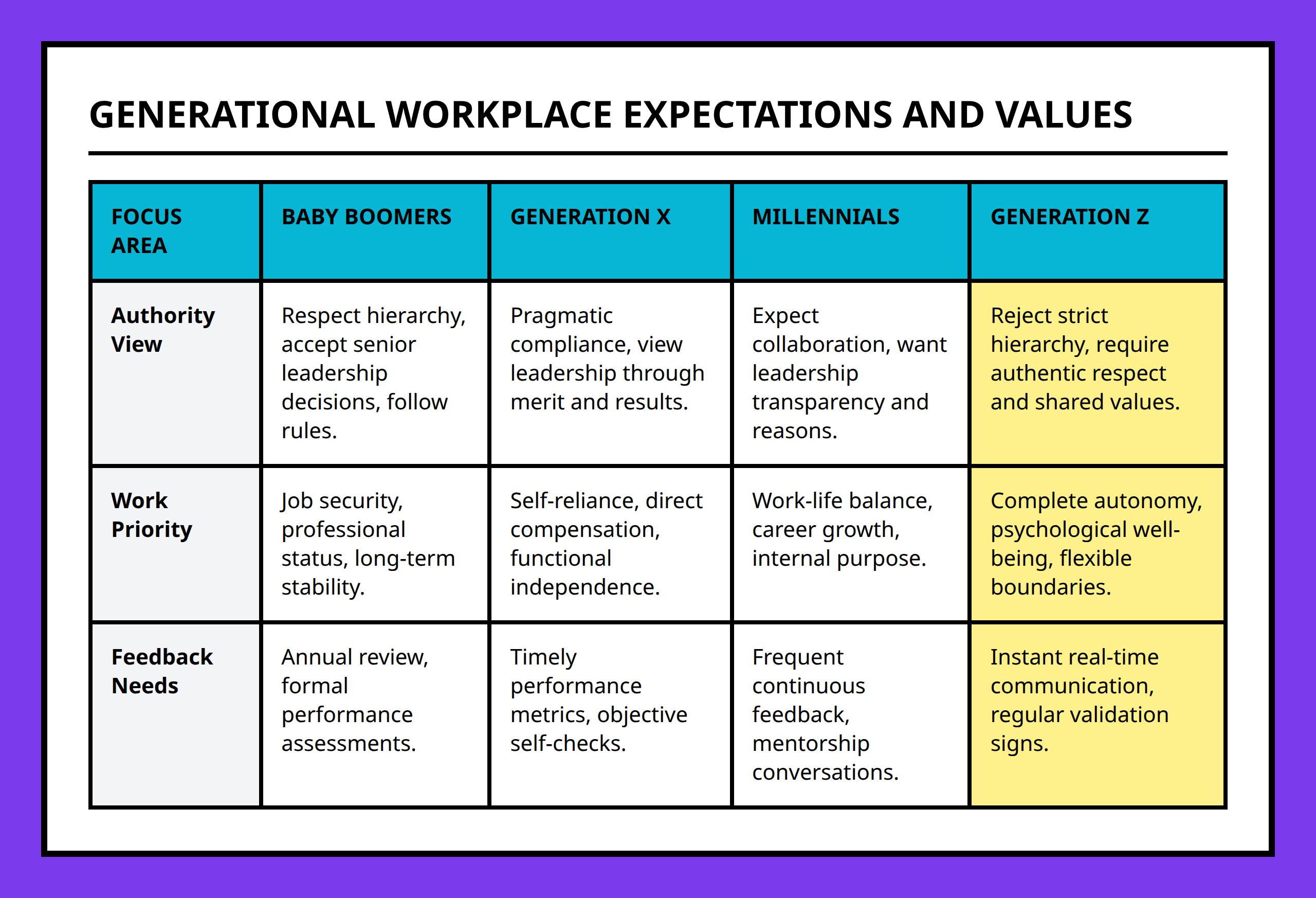
Traditional management systems emerged from environments where work depended heavily on hierarchy, consistency, and operational control.
Leaders gave instructions. Employees followed them. Stability mattered more than flexibility.
In many industries, this structure made sense. Work was repetitive, information moved slowly, and organizations depended on predictability.
But modern knowledge work operates differently.
Employees are often expected to solve problems creatively, collaborate across teams, adapt quickly, and manage information continuously. Those conditions reward initiative more than obedience.
I think this is one reason younger employees react badly to excessive control. Many of them were educated in environments that encouraged participation, self-expression, and constant feedback. Then they enter workplaces where leadership still expects silent compliance.
The mismatch becomes immediate.
Many younger employees associate rigid authority with distrust
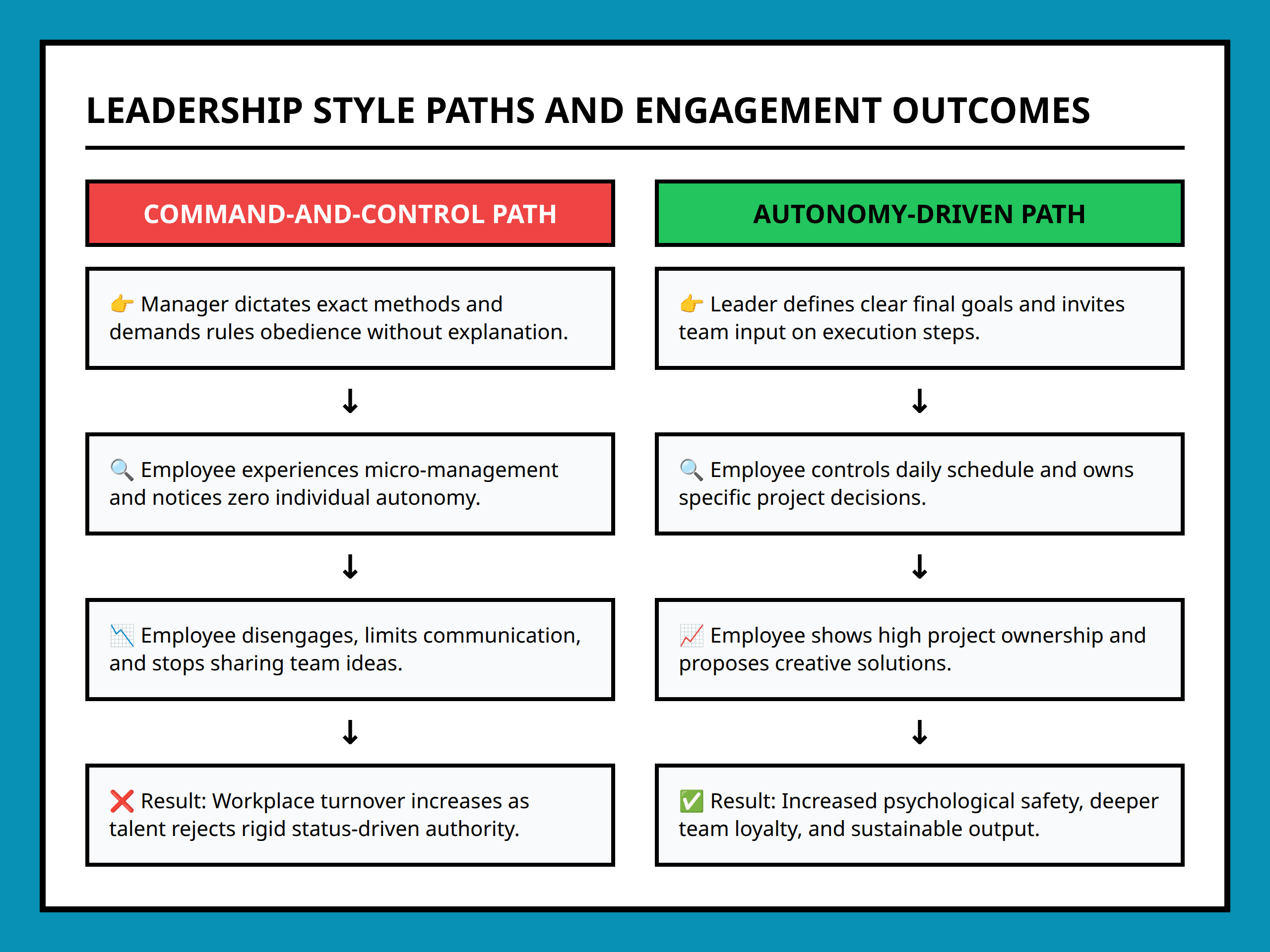
One of the biggest leadership misunderstandings today is that control and accountability are often treated as the same thing.
They are not.
Command-and-control leadership tends to communicate:
- I do not fully trust you
- Your judgment matters less than hierarchy
- Compliance matters more than ownership
- Authority should not be questioned
Older leadership cultures sometimes viewed this structure as normal professionalism. But many younger employees experience it as emotional restriction and unnecessary surveillance.
I would pay attention anytime a workplace becomes obsessed with monitoring small behaviors instead of evaluating meaningful outcomes.
For example, a manager may insist employees stay visibly online all day, respond instantly to every message, and ask permission for minor decisions. Leadership may believe this improves accountability.
Employees often experience it differently.
Instead of feeling guided, they feel distrusted.
That emotional interpretation matters because disengagement usually begins psychologically before it becomes behavioral.
Work is no longer the center of identity for many younger workers
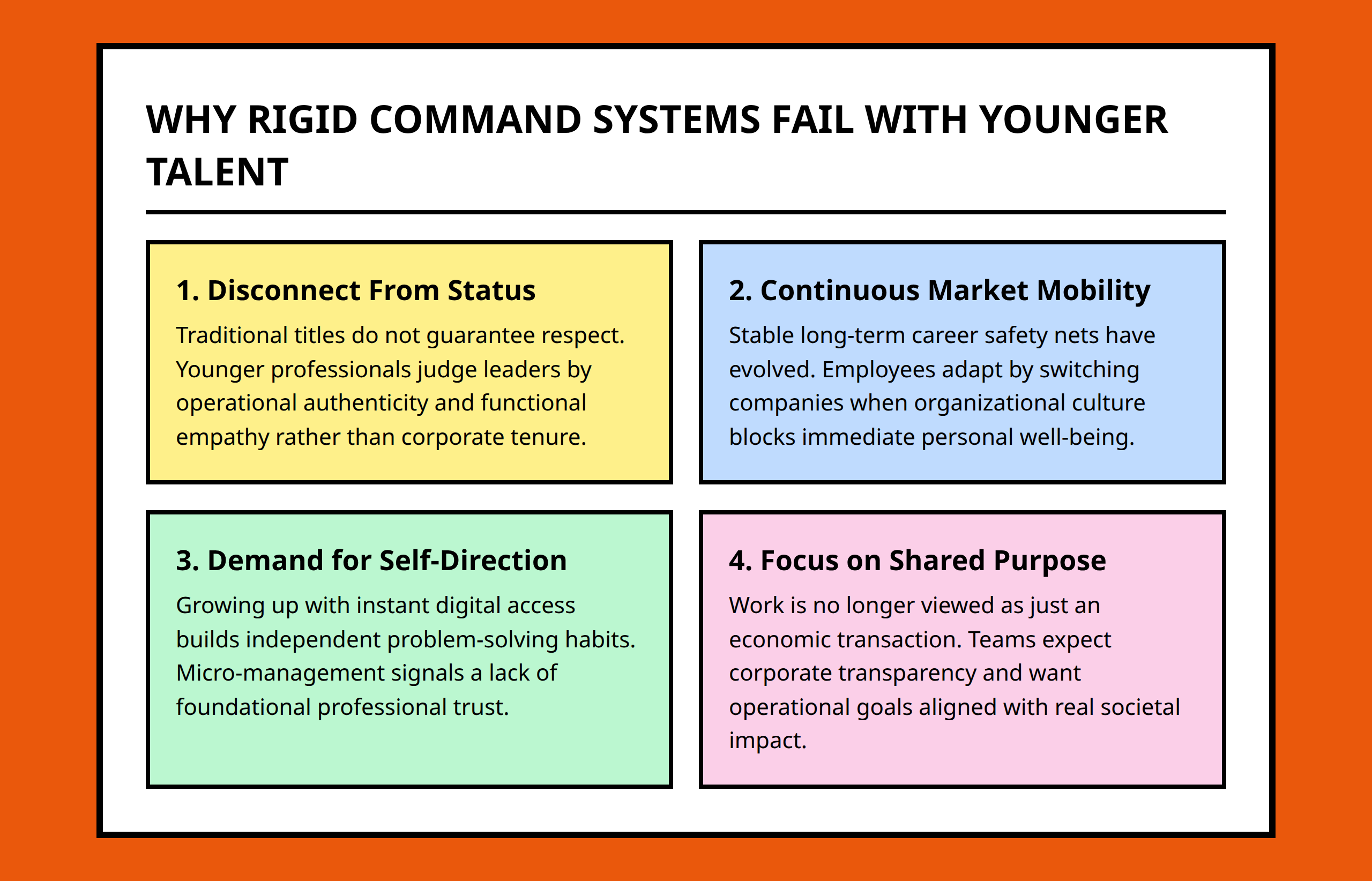
Another important shift is that younger generations often define success differently from previous generations.
For many Baby Boomers and parts of Generation X, professional achievement was closely tied to identity, status, and sacrifice. Long hours were often interpreted as commitment and ambition.
I still see traces of that mindset in workplaces where exhaustion quietly functions as a status symbol.
But many Millennials and Gen Z employees are more skeptical of work becoming the dominant structure of life.
That does not necessarily mean they care less about performance. Often they simply care more about sustainability.
They tend to place higher value on:
- work-life flexibility
- mental health
- personal autonomy
- meaningful work
- healthy boundaries
- authentic communication
This changes how leadership pressure is interpreted.
A manager who expects constant availability may believe they are building dedication. Younger employees may see the same behavior as poor leadership boundaries or emotional instability inside the organization.
The “Generation BlackBerry” effect changed expectations permanently
One of the most important workplace changes is that younger employees grew up inside constant digital connectivity.
Many entered adulthood already overloaded by messages, notifications, social comparison, and continuous information flow.
I think older leaders sometimes underestimate how psychologically exhausting this environment already feels before work pressure even begins.
That changes how younger employees respond to leadership intensity.
A workplace culture built around nonstop urgency, late-night communication, and permanent responsiveness no longer feels impressive to many employees. It feels unsustainable.
Imagine a team where managers regularly send messages late at night and quietly reward employees who remain constantly available. Nobody explicitly says after-hours work is mandatory, but everyone understands the expectation.
Younger employees often read this environment very differently from older leadership.
Instead of seeing ambition, they may see burnout risk.
Authenticity changed how leadership credibility works
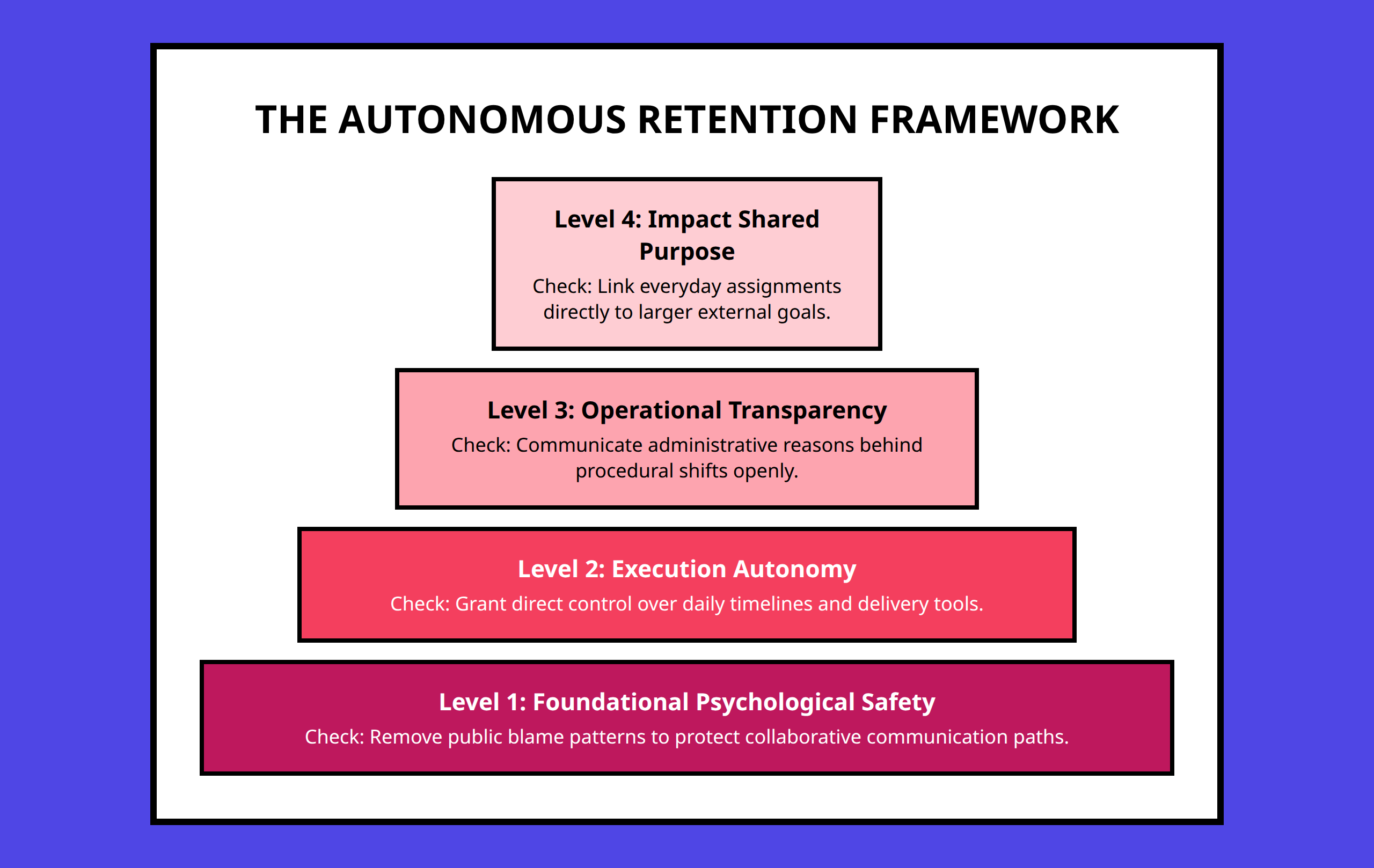
Younger employees also tend to respond differently to leadership communication itself.
Older command-and-control systems relied heavily on positional authority. Leaders were expected to appear certain, emotionally controlled, and unquestionable.
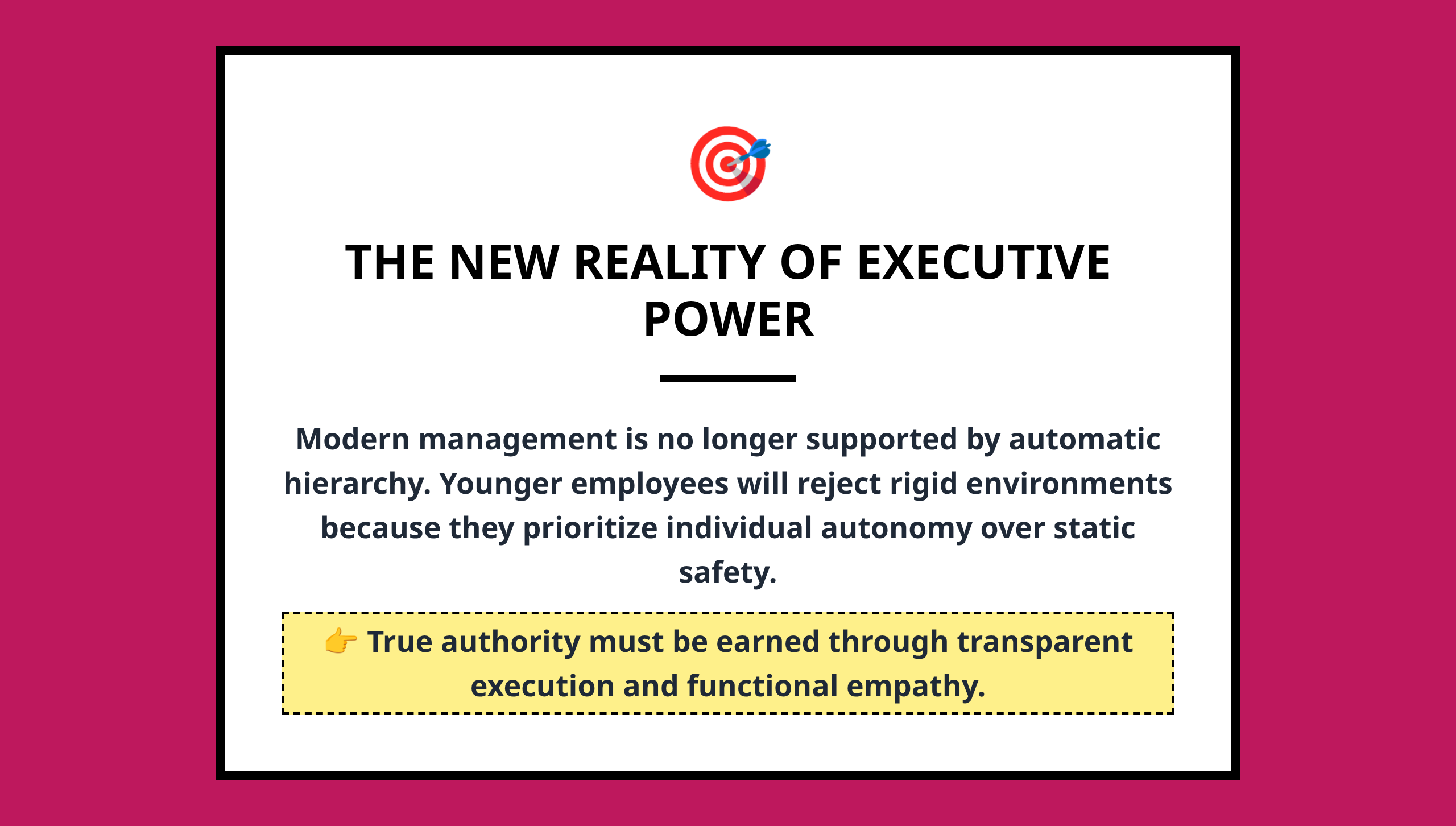
That style still works in some environments, but many younger employees now evaluate leaders through authenticity and relational trust as much as through status.
I do not think this means leaders need to become emotionally exposed or informal all the time. But younger teams often want leaders who feel psychologically real rather than purely hierarchical.
Employees increasingly notice contradictions quickly:
- leaders promoting balance while rewarding overwork
- companies encouraging openness while punishing disagreement
- managers asking for creativity while controlling every decision
Once employees stop trusting leadership sincerity, authority loses emotional legitimacy very fast.
Autonomy became part of motivation itself
Many command-and-control systems assume employees mainly need supervision, pressure, and external incentives.
But modern employees often perform better when they feel ownership over their work.
Autonomy changes motivation because people psychologically invest more deeply in work they can influence.
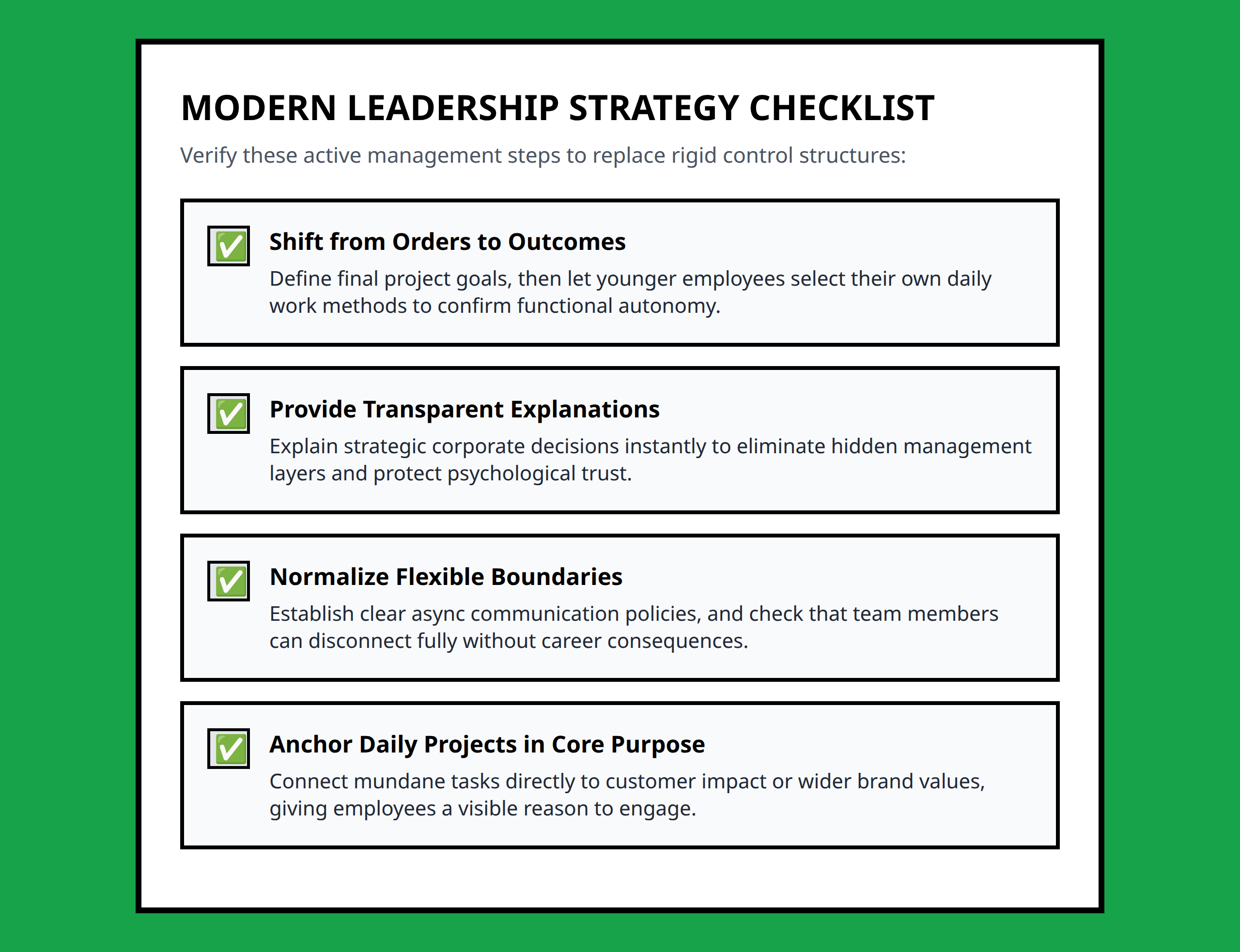
I would be careful not to confuse autonomy with lack of structure. Younger employees still want leadership, clarity, competence, and direction.
What they increasingly reject is unnecessary rigidity.
A team member who wants flexibility, input, or independent decision-making is not automatically resisting accountability. In many cases, they are trying to protect motivation itself.
That distinction matters.
The strongest leaders adapt without becoming passive
I think some leaders react defensively to these changes because they assume adapting means surrendering standards or authority.
But effective adaptation usually means changing how authority operates, not abandoning it.
Strong modern leadership still requires:
- clear expectations
- accountability
- performance standards
- decision-making authority
- organizational structure
The difference is that younger employees often respond better when leadership also includes:
- psychological safety
- trust
- transparency
- flexibility
- purpose
- respect for autonomy
The leaders who struggle most today are often the ones still trying to lead modern knowledge workers with industrial-era assumptions about obedience and control.
Younger employees are not rejecting leadership itself. They are rejecting environments where hierarchy matters more than trust, where visibility matters more than contribution, and where authority operates without emotional credibility.
References:
- https://www.stantonchase.com/insights/blog/why-millennials-and-gen-z-dont-want-to-lead-the-c-suite-crisis-ahead
- https://www.forbes.com/councils/forbesbusinesscouncil/2026/03/24/why-younger-workers-dont-trust-their-bosses-and-what-todays-leaders-can-do-about-it/
- https://www.linkedin.com/pulse/why-lack-junior-leaders-pushes-organisations-command-control-rhaese-9iurf
- https://medium.com/@jodiemshaw/why-gen-z-rejects-authority-but-respects-competence-5718ab71e8d1
- https://careynieuwhof.com/5-reasons-younger-leaders-and-older-leaders-frustrate-each-other-at-work/
- https://www.linkedin.com/posts/deepalivyas_executiverecruiter-eliterecruiter-jobmarket2025-activity-7328058667969241088-EzMY
- https://lead2goals.com/command-and-control-leadership-is-failing-the-modern-workforce/
- https://www.navalent.com/resources/blog/reluctant-leader/
- https://ctomagazine.com/gen-z-avoiding-leadership-roles/
- https://www.afr.com/work-and-careers/careers/why-gen-z-doesn-t-want-to-be-the-boss-20250218-p5lczf
- https://brainly.in/question/49805429