
Traditional IQ tests capture only a fraction of what humans can do. Entelligence reframes learning by recognizing how body, emotion, and social interaction shape intelligence, providing a more holistic understanding of student potential.
I’ve long been intrigued by the mismatch between high test scores and real-world problem-solving. Students often excel in structured tests yet struggle when confronted with complex social or practical challenges. That discrepancy made me reconsider what “intelligence” really means.
What stands out in this framework is that intelligence is not just mental processing or memory. It emerges from interaction—between our thoughts, our bodies, and the people around us.
Where Traditional IQ Falls Short
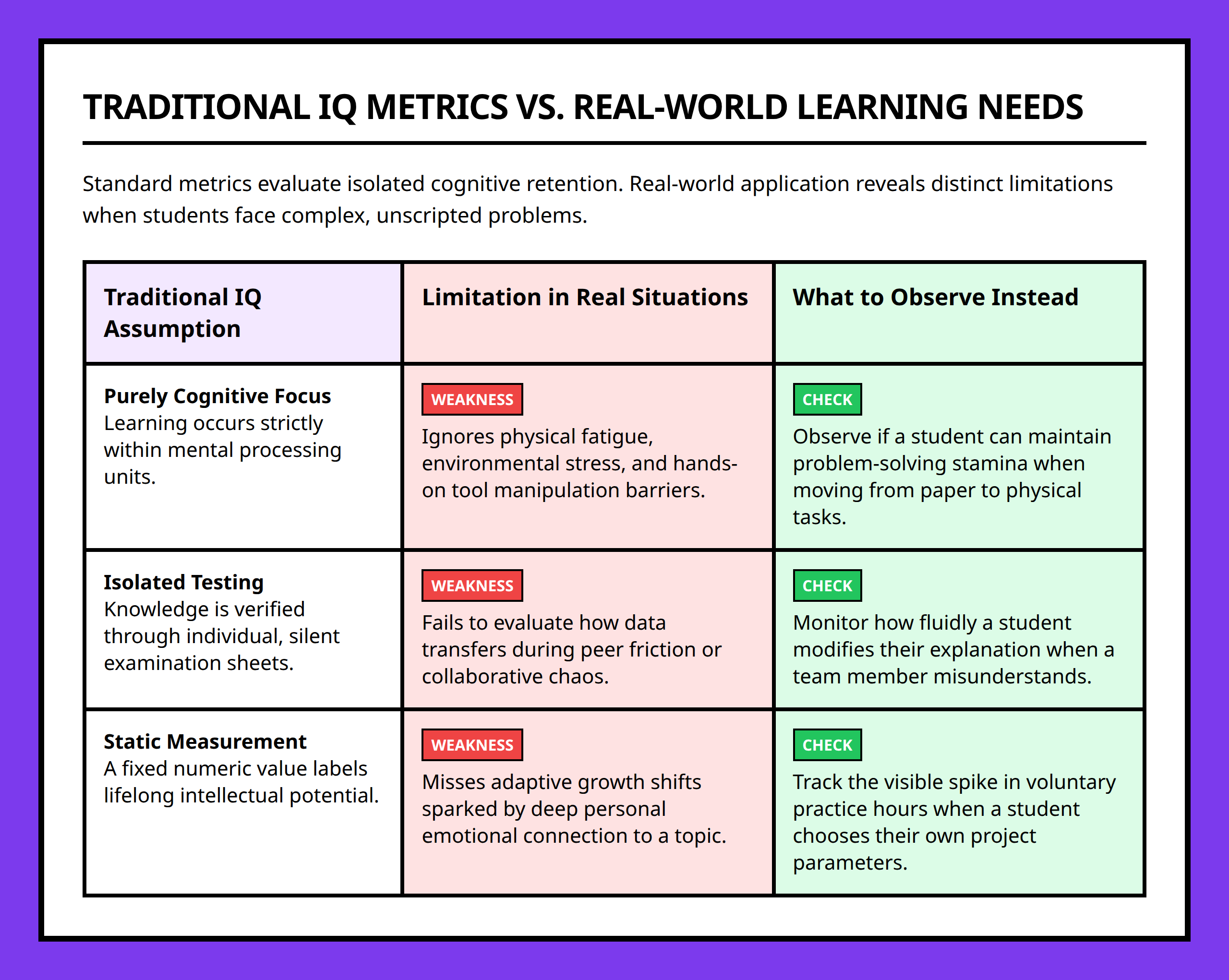
IQ testing assumes that intellectual ability is fixed, measurable, and primarily cognitive. It values abstract reasoning, memory, and pattern recognition, often neglecting how students navigate everyday tasks or social dynamics.
I notice how this becomes limiting in classrooms. Students may memorize information flawlessly, but they may struggle to collaborate, handle stress, or make adaptive decisions. Traditional intelligence measures cannot predict these outcomes accurately.
The Core Idea of Entelligence
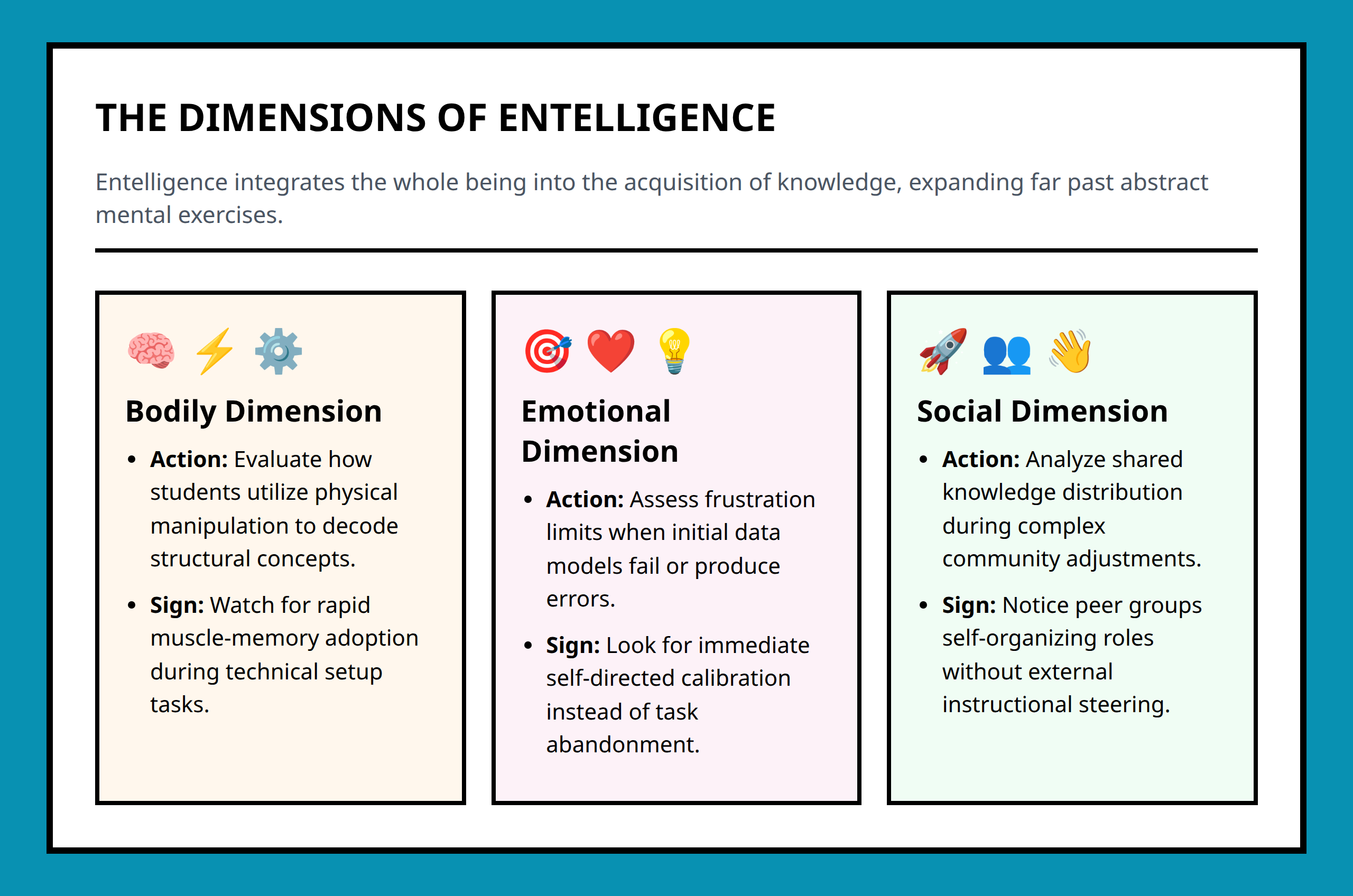
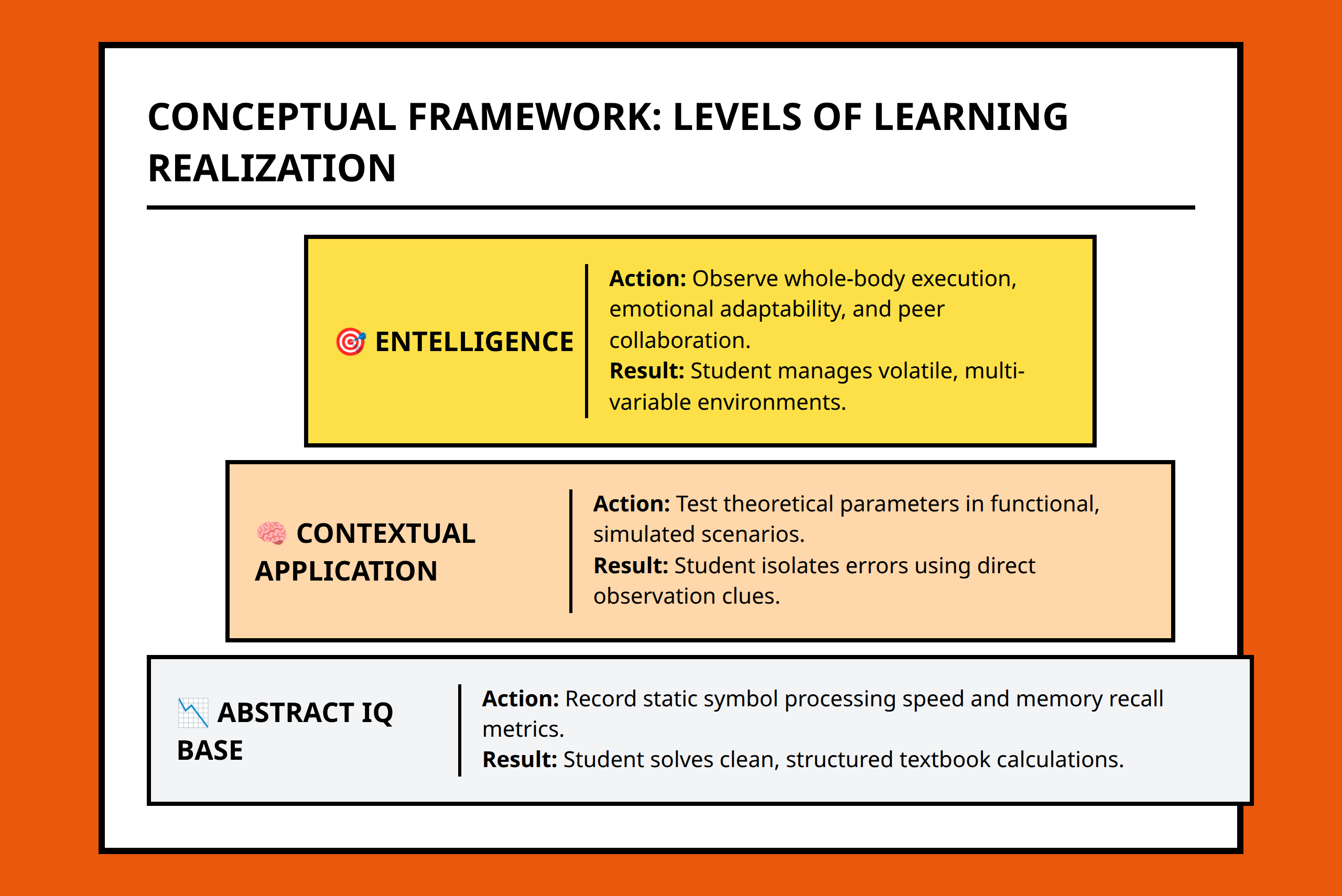
Entelligence shifts focus from static cognitive ability to dynamic, embodied experience. It integrates bodily awareness, emotional understanding, and social engagement as essential components of intelligence.
In practice, this means recognizing that learning does not occur in isolation. Attention, memory, and reasoning interact with emotional regulation, sensory perception, and interpersonal skills. A student navigating a group project, for example, deploys multiple layers of intelligence simultaneously.
Benefits of an Entelligence Perspective
Understanding learning through entelligence has several advantages:
- It identifies diverse strengths in students beyond test performance.
- It encourages teaching strategies that nurture practical problem-solving and adaptability.
- It fosters environments where emotional and social learning are valued alongside academic achievement.
I often see educators underestimate these elements, focusing heavily on cognitive achievement. But students who develop entelligence skills often navigate challenges more successfully, demonstrating resilience, collaboration, and practical reasoning.
Integrating Entelligence into Education
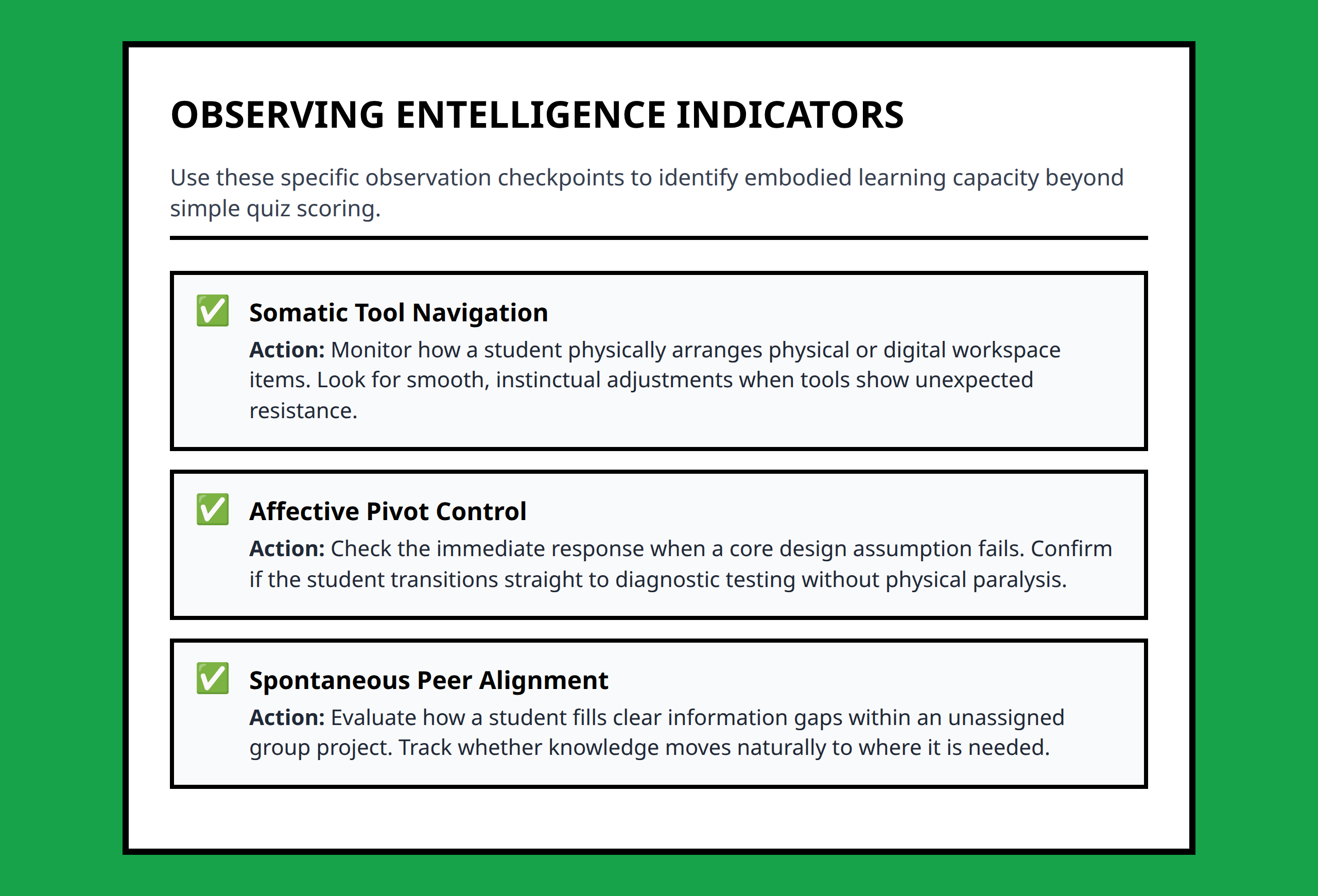
Applying entelligence does not require discarding existing curricula. Instead, it reframes how educators interpret learning outcomes and student potential. By recognizing the interplay of cognition, emotion, and social awareness, teachers can support more holistic development.
I would suggest starting by observing where students demonstrate intelligence outside traditional metrics—problem-solving in real-life scenarios, emotional self-regulation, or effective teamwork—and using these observations to guide teaching strategies.
The Big Picture
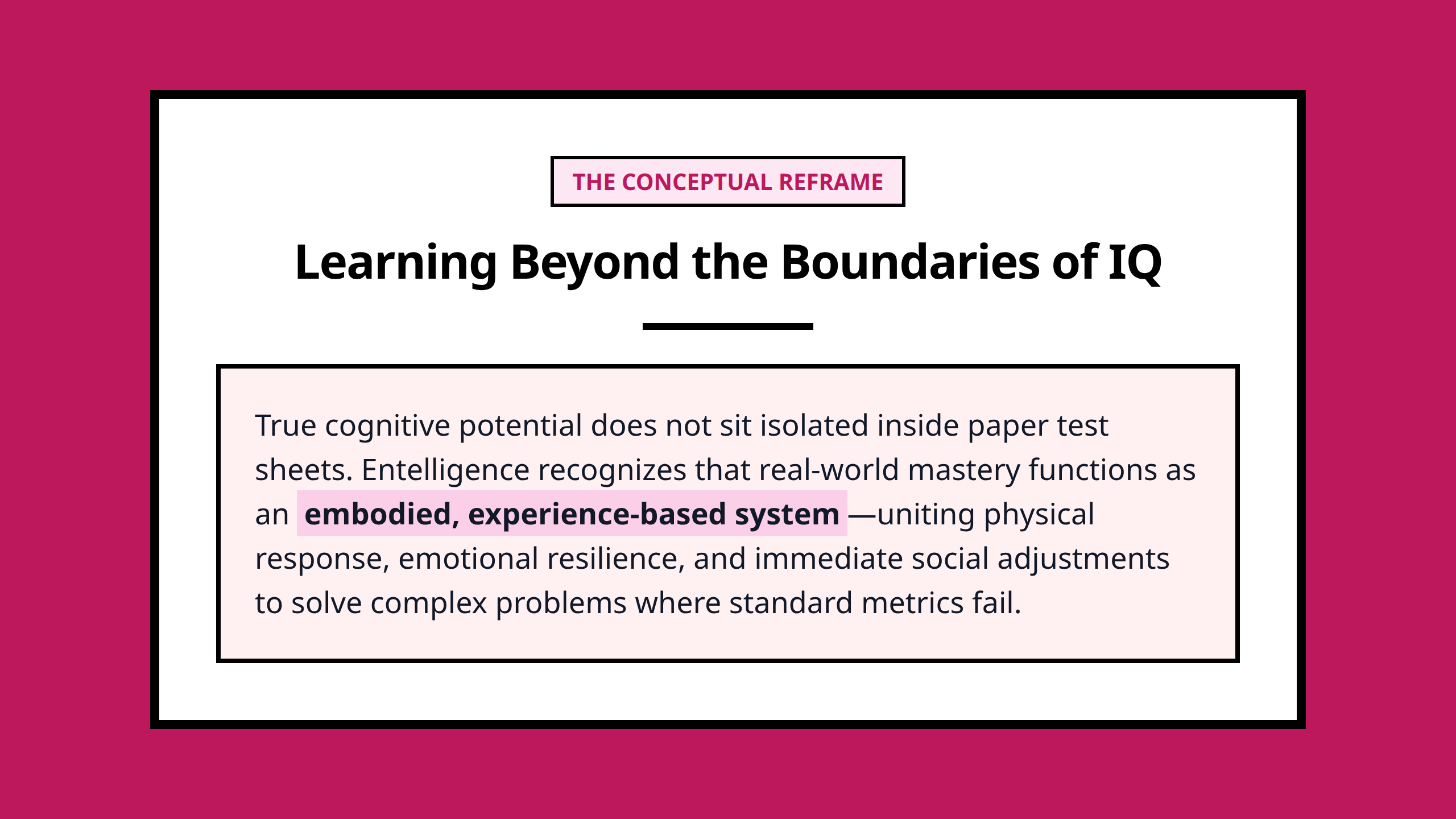
Reframing intelligence as entelligence shifts the educational focus from measuring what students know to understanding how they learn, interact, and adapt. This perspective helps educators nurture students who are not just academically proficient, but fully capable of navigating the complex, embodied world around them.
References:
- https://www.amazon.com/Beyond-Scientific-Intuition-Intelligence-Creativity/dp/0770435963
- https://medium.com/@kathln/beyond-iq-embracing-the-spectrum-of-human-intelligence-ce452c8a7fb5
- https://karmanline.ca/beyond-iq-why-the-9-intelligences-matter-more-than-grades/
- https://futurism.com/intelligence-moving-beyond-iq
- https://iexchange.substack.com/p/beyond-iq-understanding-the-true
- https://sarvarth.com/leadership-beyond-iq-eq-tq-new-framework/
- https://www.researchgate.net/publication/391653206_THE_METRICS_OF_MIND_RETHINKING_SUCCESS_BEYOND_IQ_IN_THE_AGE_OF_EMOTIONAL_AND_SOCIAL_INTELLIGENCE
- https://www.youtube.com/watch?v=uK9RgkgUlDI
- https://www.linkedin.com/pulse/beyond-iq-exploring-spectrum-multiple-intelligences-nikhil-kumar-rai-jrpec
- https://www.youtube.com/watch?v=RK06gcoPWRk